📜 Table of Contents
In an era of fast fashion and constantly changing trends, the concept of a capsule wardrobe offers a refreshing alternative. This comprehensive guide will walk you through everything you need to know about building a versatile, timeless collection of clothing that simplifies your daily life while elevating your personal style. Whether you are starting from scratch or refining an existing wardrobe, these principles will help you dress with confidence and intention.
Understanding the Capsule Wardrobe Concept
What Is a Capsule Wardrobe?
A capsule wardrobe is a carefully curated collection of essential clothing items that work harmoniously together. Typically consisting of 30 to 50 pieces including shoes and accessories, this approach emphasizes quality over quantity. Each item serves multiple purposes and can be combined with other pieces to create numerous outfits. The result is a simplified closet that actually offers more styling possibilities than a cluttered one filled with impulse purchases.
The Philosophy Behind Capsule Dressing
The capsule wardrobe philosophy extends beyond mere organization. It represents a mindful approach to consumption that values intentionality over impulse. By investing in fewer, higher-quality pieces, you reduce waste, save money in the long run, and minimize decision fatigue. Many people report feeling more confident and stylish after adopting this approach, despite owning fewer clothes than before.
Benefits of a Capsule Wardrobe
The benefits of maintaining a capsule wardrobe are numerous and far-reaching. You will save time each morning by eliminating the frustration of having nothing to wear despite a full closet. Financial benefits accumulate as impulse purchases decrease and investment pieces prove their value over years of wear. Environmental impact diminishes as you step away from the fast fashion cycle. Perhaps most importantly, you develop a refined personal style that reflects your authentic self rather than passing trends.
Assessing Your Current Wardrobe
The Complete Closet Audit
Before building your capsule wardrobe, you must understand what you already own. Remove everything from your closet and drawers, placing items on your bed or a clean surface. This visual inventory often reveals forgotten pieces, multiple similar items, and clothes that no longer serve you. Seeing everything at once provides clarity that is impossible when items are hidden in drawers or pushed to the back of closets.
Categorizing Your Clothes
Sort your items into categories: tops, bottoms, dresses, outerwear, shoes, and accessories. Within each category, further divide by purpose such as work, casual, and formal. This organization reveals gaps in your wardrobe and areas of excess. Many people discover they own dozens of casual t-shirts but lack appropriate professional wear, or have multiple similar jackets while missing essential pieces.
The Keep, Donate, and Consider Piles
For each item, ask yourself critical questions. Does it fit well and flatter your body? Have you worn it in the past year? Does it align with your current lifestyle and personal style? Does it mix well with other items in your wardrobe? Items that receive positive answers to all questions join the keep pile. Those failing most criteria go to donate. Uncertain items form a consider pile that you will revisit after completing the initial sort.
Defining Your Personal Style
Understanding Style Versus Fashion
Style and fashion are related but distinct concepts. Fashion refers to current trends promoted by the industry, constantly changing season to season. Style is personal and enduring, reflecting your personality, values, and lifestyle. A successful capsule wardrobe prioritizes style over fashion, incorporating trends only when they genuinely resonate with your aesthetic preferences.
Finding Your Style Inspiration
Gather inspiration from multiple sources to define your personal style. Create a physical or digital mood board with images that appeal to you. Notice patterns in color, silhouette, and aesthetic. Consider celebrities, style icons, or even fictional characters whose wardrobes you admire. Look through your own photos to identify outfits that made you feel confident and authentic.
Identifying Your Lifestyle Needs
Your wardrobe should reflect your actual life, not an aspirational version. Consider how you spend your time across a typical week. Someone working in a corporate office has different needs than a freelance artist or stay-at-home parent. Be honest about the occasions you actually dress for rather than hypothetical scenarios. A beautiful evening gown serves no purpose if you attend formal events once every few years.
Essential Pieces for Every Capsule Wardrobe
Foundation Pieces: The Building Blocks
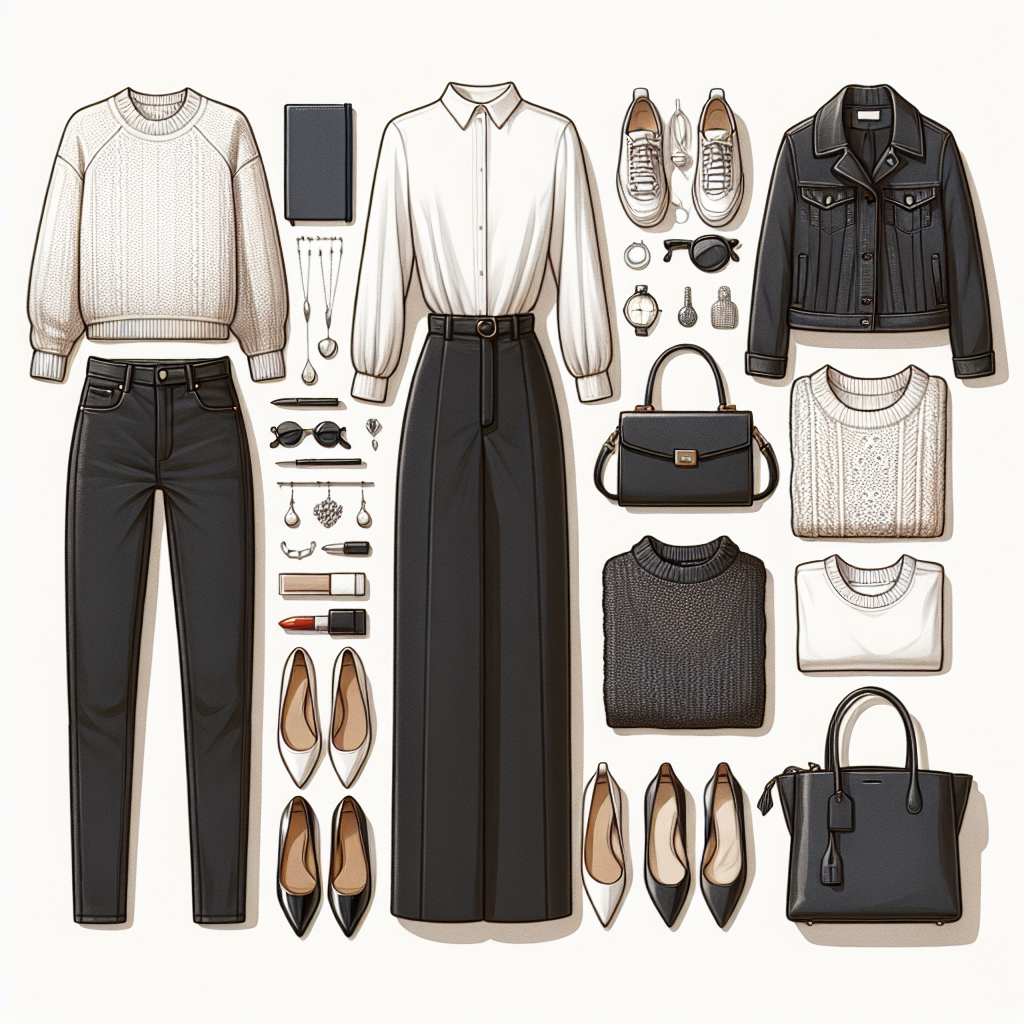
Certain pieces form the foundation of virtually any capsule wardrobe. These neutral, versatile items create countless outfit combinations and should receive the largest portion of your investment. A well-fitted white button-down shirt transitions from office to weekend with different pairings. Dark wash jeans in a classic cut work for casual and semi-casual occasions alike. A blazer in navy or charcoal elevates any outfit instantly.
Quality Basics: Worth the Investment
Basics might seem boring, but they anchor your entire wardrobe. Invest in the highest quality you can afford for these frequently worn pieces. Premium cotton t-shirts in white, black, and gray maintain their shape and softness through countless washes. Quality knit sweaters in neutral colors resist pilling and stretching. Well-constructed basic pieces make inexpensive statement items look more refined when worn together.
Statement Pieces: Personality and Interest
While most of your capsule wardrobe consists of neutrals and classics, statement pieces add personality and prevent monotony. These might include a printed blouse, a colored coat, interesting earrings, or unique shoes. Statement pieces should still align with your overall aesthetic and work with multiple items in your wardrobe. The goal is versatility with character, not one-outfit wonders.
Building Your Color Palette
Selecting Your Neutral Base
A cohesive color palette ensures that all your pieces work together seamlessly. Start with a neutral base that flatters your skin tone and matches your lifestyle. Options include black, navy, charcoal, brown, or beige families. Most people find success with one or two neutral families rather than trying to incorporate all of them. These neutrals will comprise approximately 60 to 70 percent of your wardrobe.
Adding Accent Colors
Select two to three accent colors that complement your neutral base and suit your coloring. These colors appear in statement pieces, accessories, and occasional tops or bottoms. Choose shades you love and feel confident wearing. Consider both your skin undertone and personal preference. Someone with warm coloring might choose olive, rust, and cream, while cool-toned individuals might prefer burgundy, forest green, and white.
Understanding Color Harmony
Basic color theory helps ensure your palette works harmoniously. Complementary colors sit opposite each other on the color wheel and create vibrant contrast. Analogous colors sit beside each other and create cohesive, soothing combinations. Triadic colors form a triangle on the wheel for balanced variety. Understanding these relationships helps you select accent colors that enhance rather than clash with your neutrals.
Quality Markers to Look For
Fabric Selection and Composition
Fabric quality significantly impacts how clothing looks, feels, and lasts. Natural fibers like cotton, wool, silk, and linen generally outperform synthetic alternatives, though high-quality synthetics have their place for specific purposes. Check fabric composition labels and learn to recognize quality textiles by touch. Higher thread counts in cotton indicate finer fabric. Tightly woven materials typically last longer than loose weaves.
Construction Details
Examine construction before purchasing any garment. Seams should be straight, even, and free from loose threads. Patterns should match at seams, particularly at visible points like shoulders and pockets. Buttons should be securely attached with adequate thread. Buttonholes should be cleanly finished without fraying. Zippers should move smoothly and lie flat when closed. These details indicate manufacturer care and predict garment longevity.
Fit and Proportion
Even the finest fabrics and construction cannot compensate for poor fit. Learn which silhouettes flatter your body shape and prioritize these cuts. Shoulder seams should sit at your natural shoulder point. Sleeves should hit at appropriate lengths for the style. Pants should drape smoothly without pulling or bunching. Consider tailoring costs when evaluating potential purchases, as minor alterations can transform a good garment into a perfect one.
Shopping Strategies for Capsule Building
The Waiting Period Rule
Implement a waiting period before any purchase. For items under a certain price point, wait 24 to 48 hours before buying. For significant investments, extend this to one to two weeks. This practice eliminates impulse purchases and ensures you truly want and need each addition. Items that remain appealing after the waiting period are more likely to earn regular wear in your wardrobe.
The Cost-Per-Wear Calculation
Evaluate potential purchases by cost-per-wear rather than purchase price alone. A $200 coat worn 100 times over five years costs $2 per wear. A $50 trendy jacket worn five times before falling apart costs $10 per wear. This perspective justifies higher upfront investments in quality pieces while revealing the false economy of cheap, disposable fashion. Track actual wear over time to refine future purchasing decisions.
Seasonal Considerations
Build your capsule wardrobe gradually, adding pieces as seasons change and needs arise. Rushing to fill your closet leads to compromises and regrets. Many people maintain separate but overlapping capsules for different seasons, rotating items in and out of active use. This approach keeps storage manageable while ensuring appropriate options for varying weather conditions.
Maintaining Your Capsule Wardrobe
Proper Care and Storage
Extending the life of your clothes protects your investment and reduces environmental impact. Follow care labels precisely, as different fabrics require different treatments. Wash items less frequently than you might assume, as overwashing causes unnecessary wear. Store knits folded rather than hanging to prevent stretching. Keep leather and suede away from direct sunlight and heat. Quality hangers prevent shoulder bumps and maintain garment shape.
Regular Wardrobe Reviews
Schedule seasonal reviews to assess your capsule wardrobes effectiveness. Note which items you reach for repeatedly and which languish unworn. Consider why certain pieces fail to earn their place. These insights inform future purchases and help refine your understanding of personal style. Remove items that no longer serve you, making room for better options that fill genuine gaps.
Evolving Your Style
Personal style naturally evolves over time, and your capsule wardrobe should evolve with it. Life changes like new jobs, relocations, or simply growing older affect wardrobe needs. Remain open to adjusting your approach while maintaining the core principles of intentionality and quality. The goal is not a static wardrobe but a dynamic system that consistently serves your changing needs.
Conclusion
Building a capsule wardrobe is a journey rather than a destination. The process requires honest self-assessment, patience, and a willingness to prioritize quality over quantity. The rewards, however, justify the effort. A thoughtfully curated wardrobe simplifies daily decisions, reduces stress, saves money, and helps you present your authentic self to the world. Start small, remain consistent, and enjoy the freedom that comes from owning less but better. Your capsule wardrobe awaits, promising style that transcends trends and stands the test of time.
❓ Frequently Asked Questions

🚀 Keep Exploring
Discover more articles, guides, and tools in Lifestyle