📜 Table of Contents
Introduction to Home Workout Guide: Effective Exercises Without Equipment or Gym Membership
Health represents the foundation upon which quality of life is built. Understanding evidence-based health practices empowers individuals to make informed decisions that support long-term wellbeing across physical, mental, and emotional dimensions.
Effective fitness does not require expensive gym memberships or elaborate equipment. Bodyweight exercises and minimal equipment workouts can build strength, improve cardiovascular health, and transform your physique entirely at home. This comprehensive guide provides everything you need to create and maintain an effective home workout routine.
Benefits of Home Workouts
Training at home offers numerous advantages. Eliminate commute time to and from gyms. Work out whenever fits your schedule without facility hours constraints. Avoid the self-consciousness some feel exercising publicly. Save money on memberships, parking, and travel. Create exactly the environment you prefer. Home workouts remove barriers that prevent consistent exercise.
Creating Your Workout Space
Designate a space for exercise, even if small. Clear enough room to lie down fully and extend arms and legs. Hard flooring works for most exercises; add a mat for comfort. Ensure adequate ventilation and comfortable temperature. Good lighting prevents accidents and improves mood. Having a dedicated space, even a corner, supports consistent practice.
Essential Bodyweight Exercises
Push-Ups
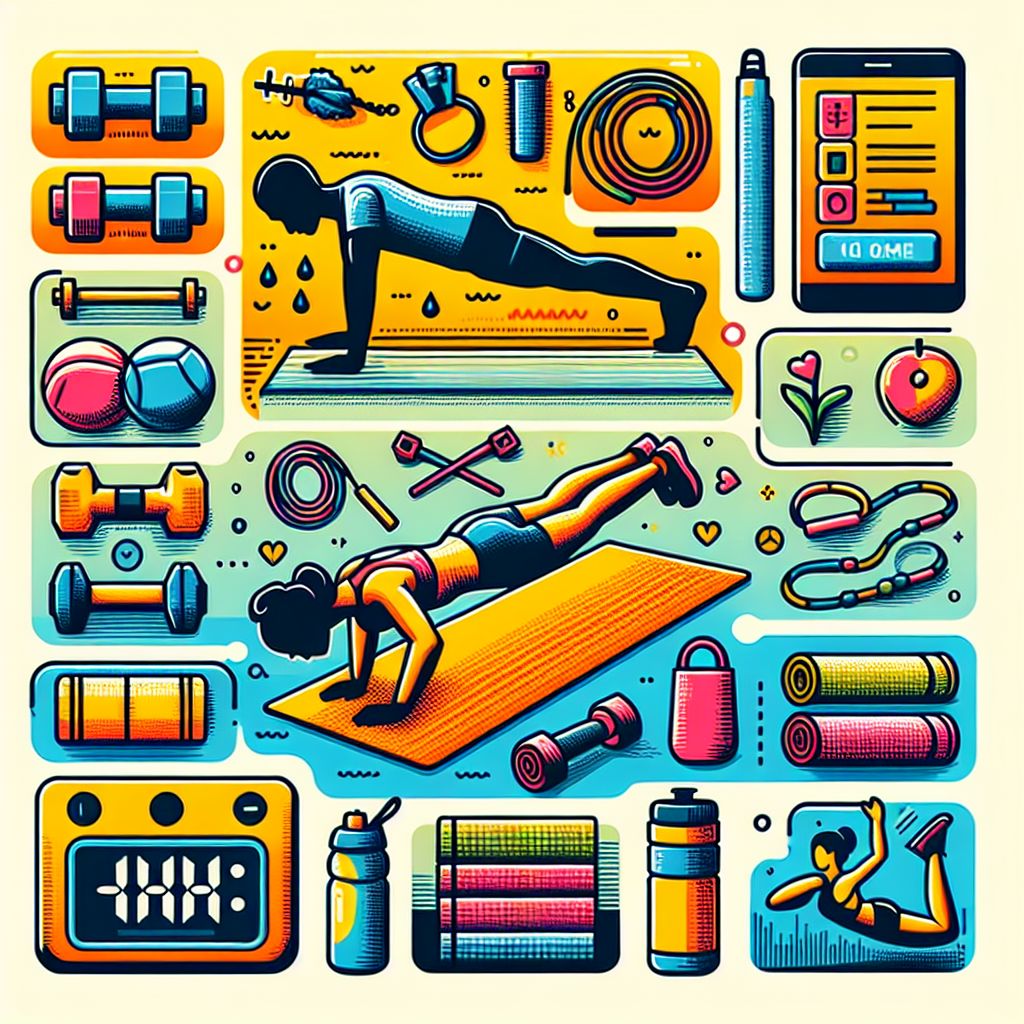
The fundamental upper body exercise works chest, shoulders, and triceps. Maintain a straight line from head to heels. Lower until chest nearly touches the floor. Modify on knees if full push-ups are too challenging. Progress to decline or diamond push-ups for increased difficulty.
Squats
Squats build leg and glute strength essential for daily function. Stand with feet shoulder-width apart. Lower as if sitting into a chair, keeping weight in heels. Maintain upright torso and neutral spine. Progress to jump squats or single-leg variations.
Lunges
Lunges develop legs while challenging balance. Step forward, lowering back knee toward the floor. Keep front knee over ankle, not extending past toes. Alternate legs or complete all reps on one side before switching. Add walking lunges or jump lunges for progression.
Planks
Planks build core stability fundamental to all movement. Hold a push-up position on hands or forearms. Maintain straight line from head to heels. Avoid sagging or piking hips. Start with shorter holds, building duration over time. Side planks target obliques specifically.
Burpees
This full-body exercise elevates heart rate dramatically. From standing, drop into squat position with hands on floor. Jump feet back to plank position. Perform a push-up, then jump feet forward. Explosively jump up with arms overhead. Modify by stepping rather than jumping if needed.
Structuring Your Workouts
Effective programming balances different training goals. Include strength work targeting major muscle groups. Add cardiovascular conditioning for heart health. Build flexibility through stretching and mobility work. Allow recovery time between challenging sessions. Aim for at least 150 minutes of moderate activity weekly.
Sample Weekly Schedule
Monday: Upper body strength. Tuesday: Lower body strength. Wednesday: Cardio and core. Thursday: Rest or light activity. Friday: Full body circuit. Saturday: Active recovery like walking or yoga. Sunday: Rest. Adjust based on your fitness level and goals.
Minimal Equipment Options
A few inexpensive items expand exercise options significantly. Resistance bands provide adjustable resistance for various movements. A pull-up bar enables back exercises difficult to replicate otherwise. Jump ropes deliver intense cardio in minimal space. Adjustable dumbbells add loading for progressive overload. Yoga mats provide cushioning and grip.
Progression Strategies
Progress is essential for continued improvement. Increase repetitions as exercises become easier. Add sets to increase volume. Progress to harder exercise variations. Decrease rest periods between sets. Add tempo modifications like slower lowering phases. Without progression, improvements plateau regardless of consistency.
Common Home Workout Mistakes
Avoid errors that limit results or cause injury. Skipping warm-ups increases injury risk significantly. Poor form compromises effectiveness and safety. Neglecting recovery leads to burnout and overuse injuries. Lacking variety causes imbalances and boredom. Expecting immediate results undermines long-term consistency.
Staying Motivated
Motivation challenges everyone exercising alone. Schedule workouts like important appointments. Track progress to see improvements over time. Vary routines to prevent boredom. Find online communities for support and accountability. Remember your reasons for exercising when motivation wanes. Consistency through motivational fluctuations produces results.
Sample Beginner Workout
Warm up with five minutes of movement like marching in place. Perform each exercise for 30 seconds with 15 seconds rest between. Complete the circuit three times. Include squats, push-ups (modified if needed), lunges, plank hold, and jumping jacks. Cool down with gentle stretching. Progress by increasing work time and adding rounds.
Foundational Health Practices
Core health practices form the foundation of wellbeing, affecting virtually every aspect of physical and mental health. Consistency in these fundamental areas yields compounding benefits over time.
Sleep Quality and Quantity
Sleep affects virtually every health outcome from immune function to cognitive performance. Most adults require 7-9 hours of quality sleep for optimal function. Sleep hygiene practices including consistent schedules, appropriate environments, and pre-sleep routines enhance sleep quality. Prioritizing sleep often yields broader health improvements than any other single change.
Nutrition Fundamentals
Nutrition provides the raw materials for bodily function and repair. Emphasizing whole foods, adequate protein, and diverse vegetables supports health across systems. Understanding individual nutritional needs based on activity levels, health conditions, and goals enables personalized optimization. Sustainable eating patterns outperform restrictive diets for long-term results.
Physical Activity and Movement
Regular physical activity prevents numerous health conditions while enhancing quality of life. Finding sustainable movement practices that fit individual preferences and circumstances yields lasting benefits.
Exercise Types and Benefits
Different exercise types provide distinct benefits. Cardiovascular exercise supports heart health and endurance. Strength training maintains muscle mass and bone density. Flexibility work preserves mobility and prevents injury. Combining exercise types addresses comprehensive fitness needs.
Building Sustainable Exercise Habits
Exercise habit formation requires consistency over intensity initially. Starting with manageable routines and progressively increasing challenges builds lasting habits. Enjoyment factors heavily in long-term adherence. Social accountability and scheduled exercise times support consistency.
Expert Insights and Best Practices
Health professionals emphasize that small, consistent changes yield better long-term results than dramatic short-term efforts. The compounding effect of daily healthy choices creates significant health differences over years. Prioritizing fundamentals like sleep, nutrition, movement, and stress management addresses the root causes of many health concerns.
Common Mistakes to Avoid
Common health mistakes include pursuing quick fixes over sustainable practices, ignoring warning signs that warrant medical attention, and comparing personal progress to others rather than measuring against personal baselines. Many people also underestimate the importance of mental health care and stress management in overall wellbeing.
Frequently Asked Questions
How much exercise do I really need?
General guidelines recommend 150 minutes of moderate or 75 minutes of vigorous cardiovascular exercise weekly, plus strength training twice weekly. However, any movement exceeds none. Starting wherever you are and progressively increasing activity provides benefits at every level.
What diet is best for health?
No single diet suits everyone. Evidence consistently supports whole foods, adequate vegetables and fruits, sufficient protein, and limited processed foods. Individual factors including preferences, intolerances, and health conditions influence optimal dietary patterns. Sustainability matters more than perfection.
How can I improve my sleep quality?
Sleep improvement involves consistent sleep schedules, appropriate bedroom environments (dark, cool, quiet), limited screen time before bed, and managing caffeine and alcohol intake. Addressing underlying stress and developing relaxing pre-sleep routines enhances sleep quality. Persistent sleep problems warrant professional evaluation.
When should I see a doctor?
Seek medical attention for new or worsening symptoms, persistent problems despite self-care, and anything causing significant concern. Preventive care including regular checkups catches problems early. Building relationships with healthcare providers facilitates appropriate care access when needed.
Conclusion
Health optimization involves consistent application of evidence-based practices rather than pursuit of perfection or quick fixes. By prioritizing sleep, nutrition, movement, and stress management while seeking appropriate medical care, individuals build foundations for lasting wellbeing. The investment in health practices compounds over time, affecting not just longevity but quality of life throughout all stages.
❓ Frequently Asked Questions

🚀 Keep Exploring
Discover more articles, guides, and tools in Fitness Tips