📜 Table of Contents
Introduction to Sustainable Fashion Guide: Building an Eco-Friendly Wardrobe That Lasts
Building a professional wardrobe represents a strategic investment in career success and personal confidence. The right clothing choices communicate competence, attention to detail, and respect for professional environments. This comprehensive guide explores every aspect of creating a versatile, polished wardrobe that serves career advancement while reflecting personal style.
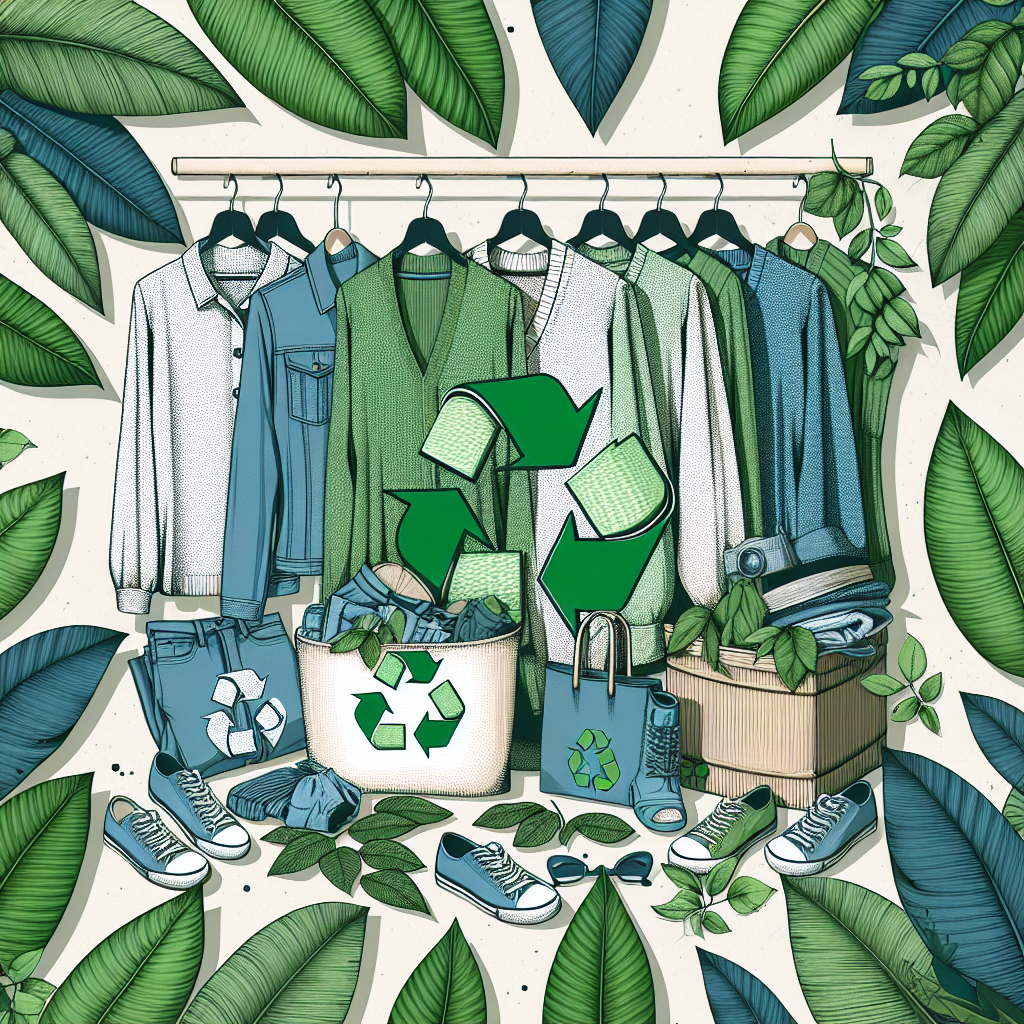
The fashion industry is one of the worlds largest polluters, but individual choices can drive meaningful change. Building a sustainable wardrobe reduces environmental impact while often improving personal style. This guide explores practical approaches to more responsible fashion consumption.
The Problem with Fast Fashion
Fast fashion produces enormous environmental damage. Textile production consumes vast water resources. Synthetic fabrics shed microplastics into waterways. Garment workers often face poor conditions. Clothing waste fills landfills increasingly. Understanding these impacts motivates change.
Principles of Sustainable Fashion
Buy Less, Choose Well
The most sustainable garment is one you already own. Before purchasing, consider whether you truly need the item. Quality pieces that last replace multiple disposable alternatives. Thoughtful consumption reduces overall impact significantly.
Quality Over Quantity
Better-made clothes last years rather than months. Higher initial cost often provides lower cost-per-wear. Quality construction, fabrics, and finishing indicate durability. Learn to recognize quality markers when shopping.
Timeless Over Trendy
Classic styles remain wearable for years. Trend-driven pieces quickly look dated. Building a core of timeless basics maximizes wardrobe longevity. Save trend experimentation for accessories or thrifted pieces.
Shopping Sustainably
Secondhand First
Thrift stores, consignment shops, and online resale platforms offer treasure hunting. Pre-owned clothing requires no new resources to produce. Vintage pieces provide unique style unavailable in stores. Give clothes second lives through resale and donation.
Sustainable Brands
Ethical fashion brands prioritize environmental and social responsibility. Research brand practices and certifications. Price reflects true costs including fair wages. Support businesses aligned with your values.
Natural and Recycled Materials
Organic cotton avoids pesticides and chemicals. Linen requires less water than conventional cotton. Recycled polyester repurposes existing materials. Avoid virgin synthetic materials when possible.
Caring for Clothes
Washing
Wash less frequently; many items need airing rather than washing. Use cold water to preserve fibers and save energy. Air dry when possible instead of machine drying. Proper washing dramatically extends garment life.
Storage
Store clothes properly to prevent damage. Knits should be folded to avoid stretching. Use appropriate hangers for different garments. Protect seasonal items from pests and moisture.
Repairs
Learn basic repairs like button replacement and minor mending. Take quality pieces to tailors for professional repairs. Repaired clothes continue useful life. Repair culture counters disposability mindset.
Building a Sustainable Wardrobe
Audit Current Wardrobe
Assess what you own and actually wear. Identify gaps that need filling. Let go of pieces that no longer serve you responsibly. Understanding your wardrobe guides future purchases.
Identify Your Style
Understand what you actually wear and love. Define your personal aesthetic clearly. Purchases aligned with your style get worn more. Style clarity prevents impulse buying.
Plan Purchases
Create a wishlist of needed items. Research options before buying. Wait before purchasing to avoid impulse decisions. Intentional shopping reduces regret and waste.
Beyond Personal Choices
Individual action matters but systemic change is also needed. Support policies addressing fashion industry impacts. Advocate for corporate responsibility. Collective action amplifies individual choices. Sustainable fashion is both personal practice and social movement.
Understanding Professional Dress Codes
Professional dress codes vary significantly across industries, companies, and geographic regions. Understanding these variations helps navigate appropriate attire for different workplace environments and professional occasions. From traditional business formal to modern creative casual, each dress code level serves specific professional communication purposes.
Business Formal Standards
Business formal represents the highest dress code standard in professional settings. This level typically requires suits in conservative colors, polished leather shoes, and minimal accessories. Industries like finance, law, and consulting often maintain business formal expectations. Understanding these standards helps professionals dress appropriately for formal meetings, presentations, and client interactions.
Business Casual Guidelines
Business casual offers more flexibility while maintaining professional appearance. This dress code typically allows dress pants with collared shirts, blazers without full suits, and more varied footwear options. The definition varies between companies, making observation of colleagues and workplace culture essential. Business casual requires higher judgment than more formal codes.
Smart Casual and Creative Environments
Creative industries and tech companies often embrace smart casual or even more relaxed dress codes. These environments allow personal expression while still requiring polished appearance. Quality remains important even when formality decreases. Understanding these environments helps professionals dress appropriately without over-formalizing.
Essential Wardrobe Foundation Pieces
Building a professional wardrobe starts with versatile foundation pieces that combine with multiple outfits. These investment items justify higher spending due to frequent use and lasting quality. Strategic foundation building creates maximum outfit variety from minimal pieces.
Quality Blazers and Jackets
A well-fitted blazer transforms any outfit from casual to professional. Navy and charcoal colors offer maximum versatility across seasons and combinations. Quality construction ensures lasting appearance through frequent wear and dry cleaning. Investing in proper fit, including tailoring if necessary, maximizes blazer impact and longevity.
Professional Dress Pants
High-quality dress pants form the backbone of professional wardrobes. Wool or wool-blend fabrics offer durability, breathability, and polished appearance. Multiple pairs in complementary colors enable daily variety. Proper hemming and fit distinguish professional appearance from merely adequate dress.
Versatile Shirts and Blouses
Quality button-down shirts and blouses see daily professional use. Fabric quality affects both appearance and comfort throughout long workdays. Building a rotation of neutral colors with occasional accent pieces provides variety without overwhelming outfit complexity. Proper care including regular pressing maintains professional appearance.
Accessorizing for Professional Impact
Accessories complete professional looks while offering personality expression within dress code constraints. Strategic accessory choices elevate basic outfits without overwhelming professional appearance. Quality accessories often outlast clothing items, justifying higher investment.
Professional Footwear Standards
Shoes significantly impact professional appearance despite often being overlooked. Quality leather shoes in classic styles serve multiple occasions and last for years with proper care. Matching shoe care to usage frequency maintains polished appearance. Comfortable, well-maintained shoes enable confident professional presence throughout demanding days.
Belts, Bags, and Leather Goods
Leather accessories should coordinate in color and quality level. Matching belt and shoe leather creates cohesive appearance. Professional bags should balance functionality with polished appearance. Investing in quality leather goods provides lasting value through daily professional use.
Watches and Jewelry Considerations
Professional jewelry choices balance personal expression with workplace appropriateness. Classic watch styles complement professional attire across industries. Minimalist jewelry avoids distraction while adding polish. Understanding industry norms helps navigate appropriate accessory choices for specific professional environments.
Expert Insights and Best Practices
Fashion industry professionals and career coaches agree that wardrobe investment yields measurable career returns. Studies consistently show that professional appearance influences hiring decisions, promotion considerations, and client confidence. The cost-per-wear calculation often favors higher-quality items that maintain appearance through extended use. Building a professional wardrobe represents investment in career advancement rather than mere expense.
Common Mistakes to Avoid
Common wardrobe mistakes include prioritizing quantity over quality, ignoring proper fit in favor of sale prices, and neglecting maintenance of existing pieces. Many professionals also fail to build outfit variety from versatile foundation pieces, instead buying complete outfits that limit combination possibilities. Avoiding trendy professional pieces that quickly date preserves wardrobe investment value.
Frequently Asked Questions
How much should I budget for a professional wardrobe?
Initial professional wardrobe building typically requires investment of several hundred to several thousand dollars depending on industry formality and quality levels. Spreading purchases over time and prioritizing most-worn pieces helps manage budget impact. Quality foundation pieces justify higher investment through extended service life and maintained appearance.
How often should I update my professional wardrobe?
Quality professional pieces remain appropriate for years with proper care. Trend-sensitive items may need more frequent updating. Most professionals should assess wardrobe annually, replacing worn items and adding pieces as career situations evolve. Major career changes or industry transitions may require accelerated wardrobe updating.
Should I dress for the job I have or the job I want?
Career advancement generally benefits from dressing slightly above current role requirements. This signals readiness for increased responsibility without appearing out of place. Observation of successful colleagues at target career levels guides appropriate stretch dressing. Balance aspiration with current role appropriateness.
How do I maintain professional clothing properly?
Professional clothing maintenance includes regular dry cleaning for suits and blazers, proper pressing for shirts, and appropriate storage to prevent damage. Following care labels extends garment life. Rotating pieces allows recovery time between wears. Quality maintenance preserves investment value and professional appearance.
Conclusion
Building a professional wardrobe requires strategic investment in quality foundation pieces that enable versatile outfit creation. Understanding dress code expectations, investing in proper fit, and maintaining clothing properly maximizes wardrobe value and professional impact. The confidence that comes from knowing you look appropriately polished translates directly into professional presence and effectiveness. By approaching wardrobe building systematically and prioritizing quality over quantity, professionals create lasting clothing collections that support career advancement across evolving professional situations.
❓ Frequently Asked Questions

🚀 Keep Exploring
Discover more articles, guides, and tools in Lifestyle