📜 Table of Contents
The Mediterranean diet consistently ranks among the healthiest eating patterns in the world, backed by decades of scientific research demonstrating benefits for heart health, brain function, longevity, and overall wellbeing. More than a diet, this eating style represents a holistic approach to food that emphasizes pleasure, community, and connection to traditional foodways. This comprehensive guide explores the principles, benefits, and practical implementation of Mediterranean eating for modern life.
Understanding the Mediterranean Diet
Origins and Philosophy
The Mediterranean diet draws from traditional eating patterns of countries bordering the Mediterranean Sea, particularly Greece, Southern Italy, and Spain. These cuisines developed over centuries, shaped by available ingredients, cultural traditions, and agricultural practices. Research interest began in the 1950s when scientist Ancel Keys observed remarkably low rates of heart disease in Mediterranean populations despite relatively high fat consumption. This observation sparked decades of study that revealed the profound health benefits of this eating pattern.
Core Principles of Mediterranean Eating
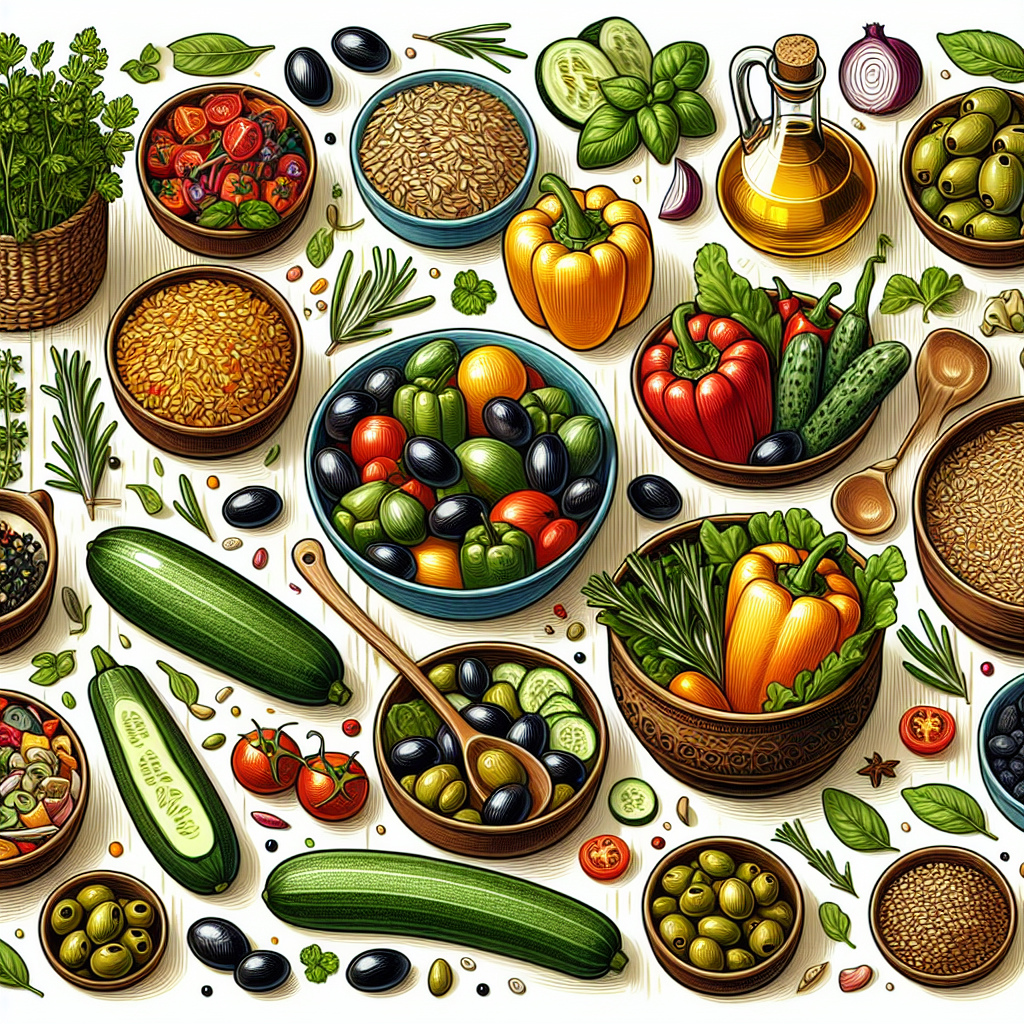
The Mediterranean diet is characterized by abundance rather than restriction. Plant foods form the foundation: vegetables, fruits, whole grains, legumes, nuts, and seeds appear at every meal. Olive oil serves as the primary fat source, used generously in cooking and as a condiment. Fish and seafood appear regularly, while poultry, eggs, and dairy play moderate roles. Red meat is consumed infrequently. Wine accompanies meals in moderation for those who drink. Perhaps most importantly, meals are enjoyed slowly with family and friends, making food a source of pleasure and connection.
What Makes It Different from Other Diets
Unlike many popular diets that focus on restriction and elimination, the Mediterranean approach emphasizes addition and quality. There is no calorie counting, macro tracking, or forbidden food lists. Instead, the focus shifts toward eating more of foods that nourish the body while naturally reducing consumption of less beneficial options. This positive framing makes the Mediterranean diet sustainable long-term, avoiding the deprivation and rebellion cycles common with restrictive approaches. The cultural and social dimensions also distinguish this eating pattern from purely nutritional frameworks.
Health Benefits of Mediterranean Eating
Cardiovascular Health
The evidence for cardiovascular benefits is particularly strong and forms the foundation of Mediterranean diet research. Multiple large studies demonstrate reduced risk of heart attack, stroke, and cardiovascular death among those following Mediterranean eating patterns. Mechanisms include improved cholesterol profiles with higher HDL and lower LDL, reduced inflammation, better blood pressure control, and improved blood vessel function. The PREDIMED trial, one of the largest dietary intervention studies ever conducted, showed that Mediterranean diet supplemented with extra virgin olive oil or nuts reduced cardiovascular events by approximately 30 percent compared to a low-fat control diet.
Brain Health and Cognitive Function
Research increasingly links Mediterranean eating to better brain health across the lifespan. Studies show slower cognitive decline in aging adults following this eating pattern. Risk of Alzheimers disease and other forms of dementia appears lower among Mediterranean diet adherents. Mechanisms likely involve reduced inflammation, improved blood flow to the brain, and specific nutrients that support neural function. The MIND diet, a hybrid of Mediterranean and DASH diets specifically designed for brain health, shows particularly promising results for cognitive protection.
Metabolic Health and Diabetes
Mediterranean eating patterns improve multiple metabolic markers relevant to diabetes prevention and management. Blood sugar control improves even without weight loss, likely due to the emphasis on complex carbohydrates, fiber, and healthy fats that moderate glucose absorption. Risk of developing type 2 diabetes is substantially lower among those following Mediterranean patterns. For those already diagnosed, adherence to this eating style improves outcomes and may reduce medication requirements. These benefits occur without the extreme carbohydrate restriction required by some diabetes-focused diets.
Cancer Prevention
Observational studies consistently associate Mediterranean eating with reduced risk of various cancers, particularly breast, colorectal, and prostate cancers. The abundant antioxidants, fiber, and anti-inflammatory compounds in Mediterranean foods likely contribute to this protection. Moderate alcohol consumption, specifically wine with meals, shows different associations than other drinking patterns in some studies. While no diet guarantees cancer prevention, Mediterranean eating represents one of the most evidence-based approaches for reducing risk through nutrition.
Longevity and Healthy Aging
Populations following traditional Mediterranean eating patterns demonstrate exceptional longevity, with the Greek island of Ikaria being one of the worlds designated Blue Zones where people routinely live past 100. Research suggests that Mediterranean diet adherence adds years to life and life to years, reducing not just mortality but also disability and functional decline. The combination of reduced chronic disease risk and improved quality of life makes this eating pattern particularly valuable for healthy aging.
Key Components of the Mediterranean Diet
Olive Oil: The Liquid Gold
Olive oil, especially extra virgin olive oil, is the defining fat of Mediterranean cuisine. Rich in monounsaturated fatty acids and polyphenol antioxidants, olive oil provides much of the diets health benefit. Use it generously for cooking, dressing salads, finishing dishes, and even dipping bread. Quality matters; seek cold-pressed extra virgin olive oil sold in dark bottles with harvest dates. The grassy, peppery notes of quality olive oil enhance rather than mask foods natural flavors. Budget approximately one to three tablespoons daily per person.
Abundant Vegetables and Fruits
Vegetables appear at every Mediterranean meal, often in quantities that would seem excessive by American standards. Aim for variety and color, including leafy greens, tomatoes, eggplant, peppers, onions, artichokes, and more. Fruits serve as the typical dessert and sweet snack. Fresh, seasonal produce tastes best and costs least, so adjust eating patterns to what grows locally during each season. Frozen vegetables offer good nutrition and convenience when fresh options are limited or expensive.
Whole Grains and Legumes
Whole grains provide sustained energy and fiber that supports digestive health and stable blood sugar. Traditional options include bulgur, farro, barley, and whole wheat bread and pasta. Legumes including lentils, chickpeas, white beans, and fava beans appear frequently as both main dishes and sides. These foods form the satisfying, filling base of Mediterranean meals at low cost. Their combination provides complete protein without requiring meat at every meal.
Fish and Seafood
Fish appears on Mediterranean tables two to three times weekly, providing omega-3 fatty acids particularly important for heart and brain health. Fatty fish like salmon, sardines, mackerel, and anchovies deliver the highest omega-3 content. Shellfish and lean fish contribute variety. Traditional preparations favor simple methods like grilling, baking, and stewing that highlight natural flavors. Sustainable sourcing matters both for environmental reasons and for avoiding contaminants concentrated in some fish populations.
Moderate Dairy and Poultry
Yogurt and cheese appear regularly but in moderate portions. Traditional Mediterranean cheeses tend to be strongly flavored, delivering satisfaction in smaller amounts than mild varieties. Greek yogurt provides protein and probiotics. Poultry plays a supporting role, appearing perhaps weekly but not dominating meals. Eggs provide another protein option, consumed several times weekly in traditional patterns.
Limited Red Meat
Red meat appears infrequently in traditional Mediterranean eating, perhaps monthly rather than daily. When consumed, portions tend to be modest and preparations lean toward slow-cooked dishes where meat flavors broths and vegetables rather than serving as the centerpiece. This limited consumption aligns with research linking high red meat intake to increased chronic disease risk. Those transitioning from meat-heavy diets can gradually reduce frequency while increasing plant-based protein sources.
Practical Implementation
Stocking Your Mediterranean Pantry
A well-stocked pantry makes Mediterranean cooking convenient and economical. Essentials include extra virgin olive oil, canned tomatoes, dried and canned legumes, whole grain pasta and bread, assorted nuts, dried herbs and spices, olives, capers, and anchovies for flavoring. Fresh produce should be purchased frequently to ensure quality. Keeping these staples on hand means simple, delicious meals come together quickly without requiring special shopping trips.
Meal Planning Strategies
Mediterranean eating flows naturally around seasonal produce and simple preparations rather than elaborate recipes. Plan meals around whatever vegetables look best at the market, adding protein and grains to complement. Batch cook legumes on weekends for quick weeknight meals. Prepare large salads and vegetable dishes that last several days. Keep hard-boiled eggs, olives, nuts, and cut vegetables available for healthy snacking. Simplicity enables consistency without the burnout that complex meal planning often causes.
Sample Weekly Menu
A typical week might include: Monday – Greek salad with grilled chicken; Tuesday – pasta with olive oil, garlic, and vegetables; Wednesday – grilled fish with roasted vegetables; Thursday – lentil soup with whole grain bread; Friday – chickpea stew with Swiss chard; Saturday – seafood risotto; Sunday – slow-roasted chicken with potatoes and tomatoes. Breakfasts feature yogurt with fruit, whole grain toast with olive oil, or eggs with vegetables. Snacks include fresh fruit, nuts, and hummus with vegetables.
Mediterranean Lifestyle Elements
The Social Aspect of Eating
Traditional Mediterranean meals are social occasions shared with family and friends. Eating slowly allows full enjoyment of flavors and natural satiety signals. Conversation and connection make meals pleasurable rather than merely functional. Modern life makes daily communal meals challenging, but prioritizing even occasional shared meals supports both physical and mental health. Set the table properly, put away devices, and create an atmosphere that honors food and companionship.
Physical Activity
The Mediterranean lifestyle traditionally included substantial physical activity through daily tasks and transportation. While few of us now walk to market daily or work in agriculture, incorporating regular movement remains essential for health. Aim for daily walking plus some form of intentional exercise several times weekly. Activity does not need to be grueling; enjoyable movement sustained over time benefits health more than intense exercise done sporadically.
Rest and Balance
Mediterranean cultures traditionally valued rest and leisure alongside work. The midday break, while less common now, reflects an understanding that humans need recovery during demanding days. Prioritize adequate sleep, stress management, and time for enjoyment. View health as encompassing body, mind, and social connection rather than focusing solely on diet and exercise. This holistic perspective aligns with research on the determinants of health and longevity.
Adapting Mediterranean Eating to Modern Life
Budget-Friendly Mediterranean Eating
Despite perceptions of expense, Mediterranean eating can fit modest budgets. Legumes, whole grains, and seasonal vegetables cost less than meat-heavy diets. Buy olive oil in larger quantities for better value. Frozen and canned vegetables and fish provide nutrition affordably. Cook from scratch rather than buying prepared Mediterranean foods. Shop seasonal produce at farmers markets or ethnic grocers. The diet originated among populations that were not wealthy, and its principles remain accessible today.
Quick Mediterranean Meals
Time constraints need not prevent Mediterranean eating. A plate of vegetables with hummus, olives, whole grain bread, and cheese assembles in minutes without cooking. Canned beans tossed with tomatoes, olive oil, and herbs becomes instant dinner. Scrambled eggs with vegetables take ten minutes. Batch cooking on weekends provides quick weeknight options. Mediterranean simplicity often requires less time than elaborate Western meals once pantry staples are established.
Mediterranean Eating for Families
Children can thrive on Mediterranean eating patterns with appropriate adaptations. Involve children in cooking to increase acceptance of new foods. Offer vegetables in various preparations to find preferred options. Model enjoyment of healthy foods rather than forcing consumption. Maintain the communal meal tradition, which research links to better nutrition and child development outcomes. Start early; children raised on Mediterranean patterns maintain them more easily than those adopting new habits later.
Conclusion
The Mediterranean diet offers a proven path to better health through delicious, satisfying food. Unlike restrictive diets that leave followers feeling deprived, this approach celebrates abundance and pleasure while delivering remarkable health benefits. The evidence supporting Mediterranean eating is among the strongest in nutrition science, spanning cardiovascular health, brain function, metabolic health, and longevity. Implementation is straightforward: emphasize vegetables, use olive oil generously, eat fish regularly, enjoy whole grains and legumes, and savor meals with others. These simple shifts can transform your health while making every meal more enjoyable. Begin where you are, make gradual changes, and discover why the Mediterranean diet continues to rank as the worlds healthiest eating pattern year after year.
❓ Frequently Asked Questions

🚀 Keep Exploring
Discover more articles, guides, and tools in Food