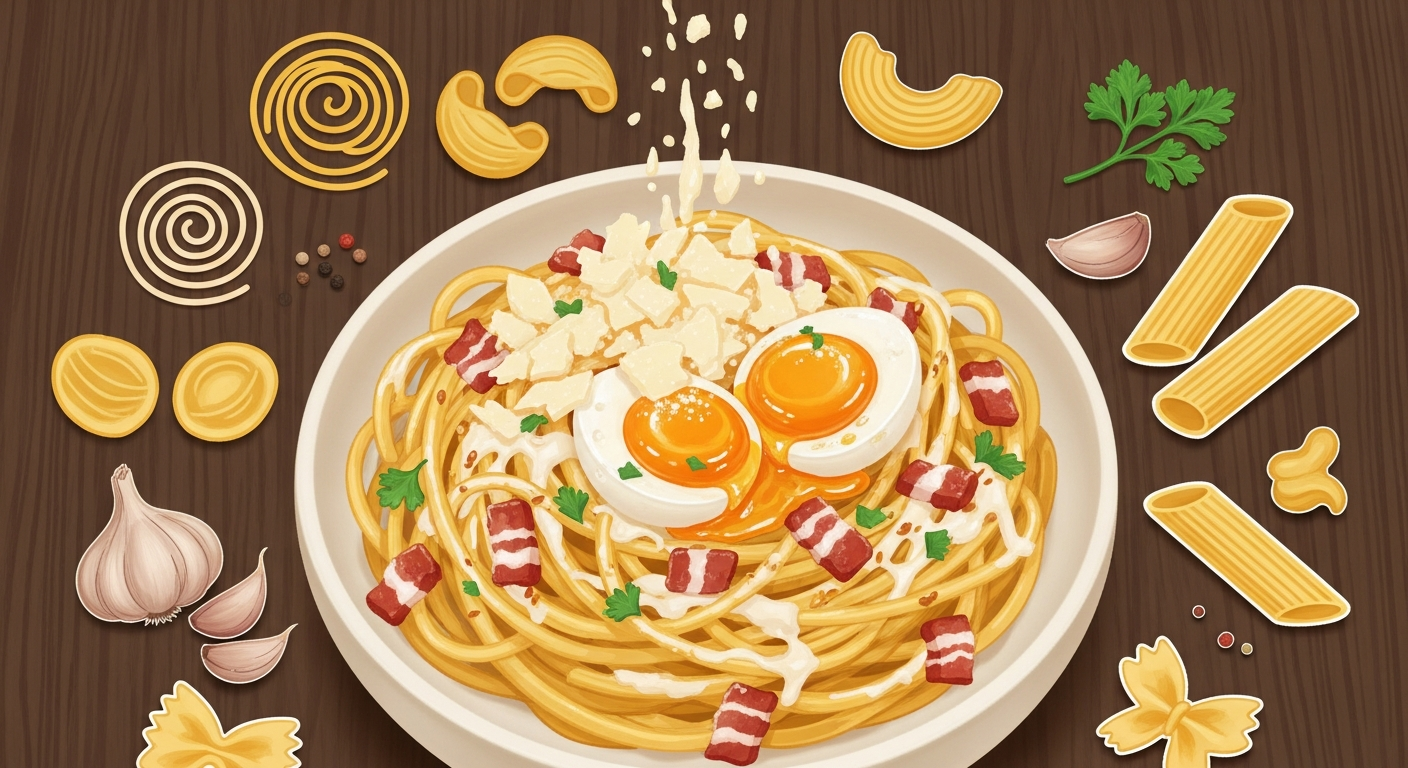
Discovering Classic Pasta Carbonara – Authentic Italian Recipe
Culinary exploration opens doors to cultural understanding and personal satisfaction that few other activities can match. Classic Pasta Carbonara – Authentic Italian Recipe represents an opportunity to develop skills that enhance daily life while creating memorable experiences for yourself and those you feed. The kitchen serves as both laboratory and studio for endless creative expression.
Home cooking has experienced remarkable resurgence as people recognize its benefits for health, budget, and connection. Preparing meals from scratch provides control over ingredients while developing appreciation for flavors and techniques that processed foods cannot replicate. Every dish prepared builds skills applicable to future culinary adventures.
Essential Techniques and Foundations
Successful cooking rests on fundamental techniques that apply across cuisines and recipes. Knife skills affect both efficiency and safety, transforming tedious preparation into rhythmic workflow. Proper heat management prevents burning while ensuring thorough cooking. Understanding these basics enables confident improvisation beyond strict recipe following.
Mise en place – the practice of preparing and organizing all ingredients before cooking begins – prevents mid-recipe scrambling and forgotten components. This professional habit seems unnecessary until experienced cooks realize how dramatically it improves outcomes and reduces stress.
Flavor Building
Understanding how flavors combine and develop separates adequate cooking from memorable meals. Salt enhances other flavors rather than simply adding saltiness. Acid brightens heavy dishes while fat carries flavors across the palate. Balancing these elements creates harmonious results greater than component sums.
Layering flavors throughout cooking builds complexity impossible to achieve through final seasoning alone. Aromatics sautéed early create foundation notes, while finishing herbs and acids add brightness. Tasting throughout the process enables continuous adjustment toward ideal balance.
Ingredient Selection
Quality ingredients transform simple preparations into exceptional dishes. Seasonal produce at peak ripeness provides flavor that off-season alternatives cannot match. Building relationships with quality suppliers – whether farmers markets, specialty grocers, or reliable supermarket sections – ensures consistent access to excellent ingredients.
Proper storage maintains ingredient quality between purchase and use. Understanding refrigeration, freezing, and pantry storage requirements prevents waste while ensuring food safety. Rotation systems using older items first minimize spoilage while maintaining fresh inventory.
Recipe Execution and Adaptation
Following recipes provides learning structure while developing intuition for future improvisation. Reading completely before beginning prevents surprises and enables efficient preparation. Understanding why steps occur in particular sequences enables intelligent adaptation when circumstances require changes.
Successful cooks view recipes as guidelines rather than rigid instructions. Adjusting seasoning to personal taste, substituting available ingredients for unavailable ones, and scaling portions to actual needs all represent legitimate adaptations. Experience builds confidence in making these adjustments effectively.
Timing and Coordination
Serving multiple dishes simultaneously requires backward planning from desired serving time. Understanding which items can hold, which need last-minute attention, and how long each preparation requires enables smooth execution of complex meals. Written timelines help manage complicated menus until mental coordination becomes automatic.
Delegation and parallel processing multiply kitchen productivity. While one item simmers unattended, others can receive active preparation. Identifying tasks suitable for advance completion – chopping vegetables, making sauces, marinating proteins – distributes workload across available time.
Presentation and Service
Visual presentation significantly affects dining perception before first bites occur. Simple techniques like wiping plate rims, considering color contrasts, and allowing negative space elevate home cooking toward restaurant standards. Thoughtful presentation demonstrates care that enhances both appearance and appreciation.
Temperature management through warmed plates, rested meats, and timely service ensures dishes arrive at optimal eating condition. Nothing undermines excellent cooking like lukewarm delivery of intended hot dishes or melted garnishes on items meant served cold.
Kitchen Equipment and Tools
Essential equipment enables cooking range while excessive gadgets clutter without proportionate benefit. Quality chef’s knife, sturdy cutting board, and reliable cookware form the minimal foundation for serious cooking. Additional specialized tools earn kitchen space only through regular use.
Proper equipment maintenance extends functionality while ensuring safety. Sharp knives cut more safely than dull ones by requiring less pressure. Clean, seasoned cookware performs consistently while lasting decades with appropriate care.
Heat Sources and Cookware
Understanding different heat application methods expands technique options. Direct high heat creates browning and caramelization impossible through gentler methods. Indirect low heat enables tenderization of tough cuts through extended cooking. Matching methods to ingredients and desired outcomes produces optimal results.
Cookware materials affect heat distribution and response. Heavy pans maintain stable temperatures through ingredient additions, while thin pans respond quickly to heat adjustments. Building varied cookware collections enables appropriate tool selection for different cooking tasks.
Nutritional Awareness
Home cooking enables nutritional control impossible with restaurant or processed food reliance. Adjusting recipes for health goals while maintaining palatability requires understanding how ingredients contribute to both nutrition and flavor. Small modifications often dramatically improve nutritional profiles without sacrificing enjoyment.
Balanced meals incorporate appropriate proportions of proteins, carbohydrates, fats, and vegetables. Visualization techniques like the plate method simplify portion guidance without requiring precise measurement. Building habits around balanced composition eventually makes healthy choices automatic.
Dietary Modifications
Accommodating dietary restrictions challenges creativity while expanding repertoire. Vegetarian, vegan, gluten-free, and allergen-aware cooking require alternative approaches that often discover delicious solutions applicable beyond restricted diets. Viewing limitations as opportunities rather than obstacles opens unexpected culinary paths.
Understanding substitution principles enables recipe adaptation for various requirements. Knowing which ingredients serve structural versus flavor functions guides intelligent replacement decisions. Testing modifications in forgiving recipes builds confidence before attempting critical applications.
Cultural Exploration Through Food
Cuisines reflect cultural histories, agricultural realities, and social values of their origins. Exploring unfamiliar food traditions expands both repertoire and worldview. Approaching new cuisines with respect and curiosity rather than judgment opens doors to remarkable flavors and techniques.
Authentic preparation provides deeper cultural connection than adapted versions designed for unfamiliar palates. Seeking traditional recipes and techniques, even when challenging, yields greater understanding than convenient shortcuts. However, adaptation for available ingredients and personal taste remains legitimate culinary practice.
Conclusion
Developing skills around Classic Pasta Carbonara – Authentic Italian Recipe enriches daily life through improved meals, enhanced health, and creative satisfaction. The kitchen journey continues indefinitely as new techniques, ingredients, and cuisines await discovery. Every meal prepared builds capability for the next culinary adventure.
The investment in cooking knowledge returns dividends through countless future meals shared with family and friends. May your culinary explorations bring joy, nourishment, and connection throughout your cooking journey.