📜 Table of Contents
Introduction to Fashion Trends 2025: What's Hot This Season
Personal style expression through clothing affects both self-perception and how others perceive us. Understanding fashion fundamentals enables building wardrobes that reflect personal taste while serving practical needs across life situations.
Introduction to Fashion Trends 2025: What's Hot This Season
Personal style expression through clothing affects both self-perception and how others perceive us. Understanding fashion fundamentals enables building wardrobes that reflect personal taste while serving practical needs across life situations.
The fashion world is embracing bold changes in 2025. From sustainable fashion to retro revivals, here’s what’s dominating runways and streets this year.
Sustainable Fashion Takes Center Stage
Eco-conscious fashion continues to grow. Brands are prioritizing recycled materials, ethical production, and timeless designs over fast fashion.
Bold Colors Are Back
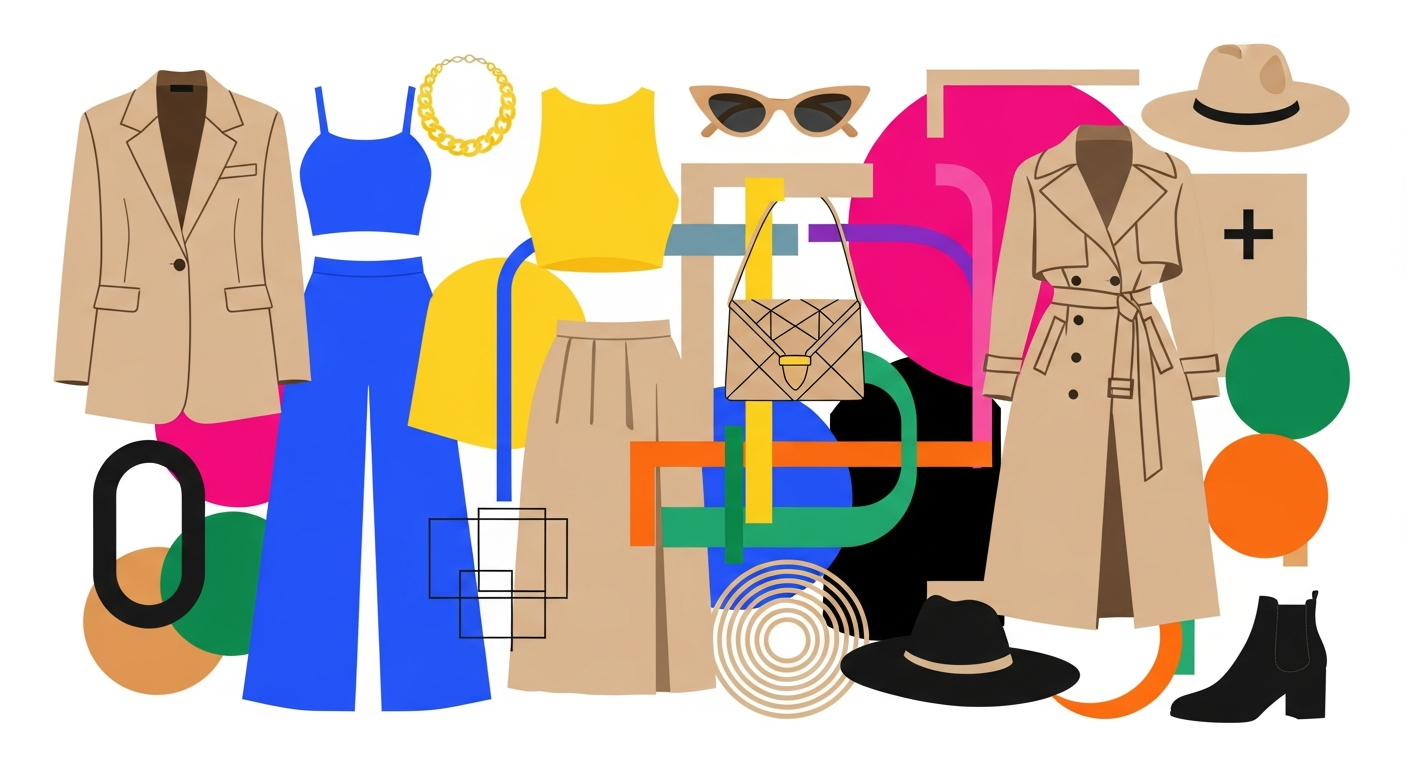
Vibrant reds, electric blues, and sunny yellows are replacing the muted tones of previous years. Don’t be afraid to make a statement with color blocking.
Oversized Silhouettes
Comfortable, relaxed fits remain popular. Oversized blazers, wide-leg pants, and voluminous dresses are wardrobe staples.
Vintage Revival
90s and early 2000s fashion is making a strong comeback. Think low-rise jeans, butterfly clips, and minimalist accessories.
Key Accessories
- Chunky gold jewelry
- Statement sunglasses
- Bucket bags
- Platform shoes
Understanding Personal Style
Developing personal style involves understanding preferences, lifestyle needs, and how clothing makes you feel. Personal style evolves over time and should reflect current life rather than past or aspirational versions.
Identifying Style Preferences
Style preferences emerge from paying attention to what you feel best wearing and what catches your eye. Saving images of appealing outfits reveals patterns in color, silhouette, and aesthetic preferences. Understanding whether you prefer classic, trendy, minimal, or eclectic approaches guides shopping decisions. Style should feel authentic rather than costumey.
Dressing for Your Life
Practical wardrobes serve actual daily activities rather than imagined lifestyles. Assessing time spent in different settings helps allocate wardrobe investment appropriately. Someone working from home has different needs than someone in client-facing roles. Realistic wardrobe planning prevents owning clothes that sit unworn.
Building Versatile Wardrobes
Strategic wardrobe building emphasizes versatile pieces that combine in multiple ways. Quality over quantity enables owning fewer items while having more outfit possibilities.
Wardrobe Foundation Pieces
Foundation pieces in neutral colors anchor wardrobes and combine with everything. Quality basics justify higher investment due to constant use. Building foundations before adding statement pieces ensures complete outfits. Well-chosen basics create polished looks without elaborate styling.
Adding Personality and Variety
Statement pieces and accessories provide variety and express personality without requiring massive wardrobes. Color, pattern, and interesting details transform basic foundations. Rotating accent pieces keeps wardrobes feeling fresh. Accessories update looks inexpensively as trends change.
Expert Insights and Best Practices
Fashion stylists emphasize fit as the most important element of looking good. Properly fitting clothes appear more expensive regardless of actual price. Tailoring inexpensive items can produce better results than ill-fitting expensive ones. Understanding your body and what fits it well enables confident shopping.
Common Mistakes to Avoid
Common fashion mistakes include buying for imagined rather than actual lifestyles, prioritizing trends over flattering pieces, ignoring fit in favor of sizes or sales, and accumulating quantity over quality. Many people also fail to develop complete outfits, leaving pieces that do not work with anything else owned.
Frequently Asked Questions
How do I find my personal style?
Personal style discovery involves experimentation and attention to what feels right. Collecting images of appealing outfits reveals patterns. Trying different looks and noting responses helps refine preferences. Style develops over time rather than being found complete.
How much should I spend on clothing?
Clothing budgets should fit within overall spending without impacting essentials. Cost-per-wear calculations often favor quality for frequently worn items. Spending more on foundation pieces while economizing on trends balances quality and variety. Buying intentionally rather than impulsively maximizes clothing budgets.
How do I dress for my body type?
Understanding body proportions helps choose flattering cuts and silhouettes. However, restrictive body type rules are outdated. Wearing what makes you feel confident matters more than following prescriptions. Trying different styles and trusting your response reveals what works for you.
How often should I update my wardrobe?
Wardrobe updates should address worn items and lifestyle changes rather than following arbitrary timelines. Quality basics remain appropriate for years. Trend items may need more frequent updating if staying current matters. Most people benefit from editing and curating existing wardrobes before adding new items.
Conclusion
Personal style develops through self-awareness, experimentation, and strategic wardrobe building. By understanding preferences, investing in quality foundations, and adding personality through accessories and statements, individuals create wardrobes that serve their lives while expressing their personalities. Style should be fun and confidence-building rather than stressful or prescribed.
Understanding Personal Style
Developing personal style involves understanding preferences, lifestyle needs, and how clothing makes you feel. Personal style evolves over time and should reflect current life rather than past or aspirational versions.
Identifying Style Preferences
Style preferences emerge from paying attention to what you feel best wearing and what catches your eye. Saving images of appealing outfits reveals patterns in color, silhouette, and aesthetic preferences. Understanding whether you prefer classic, trendy, minimal, or eclectic approaches guides shopping decisions. Style should feel authentic rather than costumey.
Dressing for Your Life
Practical wardrobes serve actual daily activities rather than imagined lifestyles. Assessing time spent in different settings helps allocate wardrobe investment appropriately. Someone working from home has different needs than someone in client-facing roles. Realistic wardrobe planning prevents owning clothes that sit unworn.
Building Versatile Wardrobes
Strategic wardrobe building emphasizes versatile pieces that combine in multiple ways. Quality over quantity enables owning fewer items while having more outfit possibilities.
Wardrobe Foundation Pieces
Foundation pieces in neutral colors anchor wardrobes and combine with everything. Quality basics justify higher investment due to constant use. Building foundations before adding statement pieces ensures complete outfits. Well-chosen basics create polished looks without elaborate styling.
Adding Personality and Variety
Statement pieces and accessories provide variety and express personality without requiring massive wardrobes. Color, pattern, and interesting details transform basic foundations. Rotating accent pieces keeps wardrobes feeling fresh. Accessories update looks inexpensively as trends change.
Expert Insights and Best Practices
Fashion stylists emphasize fit as the most important element of looking good. Properly fitting clothes appear more expensive regardless of actual price. Tailoring inexpensive items can produce better results than ill-fitting expensive ones. Understanding your body and what fits it well enables confident shopping.
Common Mistakes to Avoid
Common fashion mistakes include buying for imagined rather than actual lifestyles, prioritizing trends over flattering pieces, ignoring fit in favor of sizes or sales, and accumulating quantity over quality. Many people also fail to develop complete outfits, leaving pieces that do not work with anything else owned.
Frequently Asked Questions
How do I find my personal style?
Personal style discovery involves experimentation and attention to what feels right. Collecting images of appealing outfits reveals patterns. Trying different looks and noting responses helps refine preferences. Style develops over time rather than being found complete.
How much should I spend on clothing?
Clothing budgets should fit within overall spending without impacting essentials. Cost-per-wear calculations often favor quality for frequently worn items. Spending more on foundation pieces while economizing on trends balances quality and variety. Buying intentionally rather than impulsively maximizes clothing budgets.
How do I dress for my body type?
Understanding body proportions helps choose flattering cuts and silhouettes. However, restrictive body type rules are outdated. Wearing what makes you feel confident matters more than following prescriptions. Trying different styles and trusting your response reveals what works for you.
How often should I update my wardrobe?
Wardrobe updates should address worn items and lifestyle changes rather than following arbitrary timelines. Quality basics remain appropriate for years. Trend items may need more frequent updating if staying current matters. Most people benefit from editing and curating existing wardrobes before adding new items.
Conclusion
Personal style develops through self-awareness, experimentation, and strategic wardrobe building. By understanding preferences, investing in quality foundations, and adding personality through accessories and statements, individuals create wardrobes that serve their lives while expressing their personalities. Style should be fun and confidence-building rather than stressful or prescribed.
❓ Frequently Asked Questions

🚀 Keep Exploring
Discover more articles, guides, and tools in Fashion