📜 Table of Contents
Introduction to Healthy Meal Prep Ideas for the Week
Cooking at home provides control over ingredients, enables healthier eating, saves money, and offers creative satisfaction. Developing cooking skills opens possibilities for delicious, nutritious meals that match personal preferences and dietary needs.
Introduction to Healthy Meal Prep Ideas for the Week
Cooking at home provides control over ingredients, enables healthier eating, saves money, and offers creative satisfaction. Developing cooking skills opens possibilities for delicious, nutritious meals that match personal preferences and dietary needs.
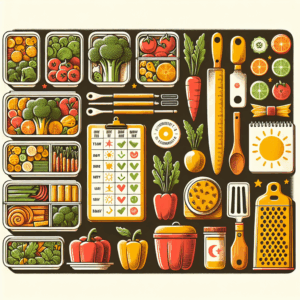
Meal prepping saves time, money, and helps you eat healthier. Here’s how to prep a week’s worth of nutritious meals in just a few hours.
Sunday Prep Plan
Dedicate 2-3 hours on Sunday to prepare meals for the entire week. Cook proteins, chop vegetables, and portion out snacks.
Protein Options
- Grilled chicken breast – versatile for salads, wraps, rice bowls
- Baked salmon – pairs with any vegetable
- Ground turkey – great for tacos, pasta, and bowls
- Hard-boiled eggs – perfect grab-and-go protein
Base Ingredients to Prep
- Quinoa or brown rice
- Roasted vegetables (sweet potato, broccoli, peppers)
- Chopped salad ingredients
- Overnight oats for breakfasts
Storage Tips
Use glass containers for reheating. Label with dates. Most prepped meals last 4-5 days refrigerated. Some proteins freeze well for longer storage.
Mix and Match
Combine different proteins, bases, and vegetables each day for variety while keeping prep simple.
Kitchen Fundamentals
Foundational kitchen skills and knowledge enable cooking success across recipes and cuisines. Understanding basic techniques and principles provides flexibility beyond following recipes exactly.
Essential Cooking Techniques
Core techniques including sautéing, roasting, braising, and proper seasoning apply across countless dishes. Mastering heat control affects nearly every cooking outcome. Understanding when and how to apply different cooking methods enables improvisation and recipe adaptation. These fundamental skills transfer across cuisines and recipe types.
Kitchen Organization and Preparation
Mise en place, having ingredients prepped and organized before cooking begins, dramatically improves cooking success. Organized kitchens enable efficient cooking without wasted time searching for tools or ingredients. Regular pantry stocking ensures common ingredients are available when cooking inspiration strikes.
Practical Cooking Strategies
Busy lives require efficient cooking approaches that minimize time while maximizing results. Strategic planning and batch cooking enable homemade meals despite demanding schedules.
Meal Planning Benefits
Weekly meal planning reduces daily decision fatigue and enables efficient grocery shopping. Planning ensures ingredient availability and reduces food waste. Balancing variety with repetition of favorites optimizes planning effort. Planning accommodates busy days with quick-prep options and more elaborate weekend cooking.
Batch Cooking and Prep
Preparing ingredients or complete dishes in advance saves daily cooking time. Weekend batch cooking provides weekday meal components. Prepped vegetables, cooked grains, and portioned proteins enable quick meal assembly. Proper storage maintains food quality and safety between preparation and consumption.
Expert Insights and Best Practices
Culinary professionals emphasize that cooking skill develops through practice rather than natural talent. Starting with simple recipes and progressively increasing complexity builds confidence and competence. Mistakes are learning opportunities that teach more than successes. Consistency in practice develops intuition that eventually transcends recipe-following.
Common Mistakes to Avoid
Common cooking mistakes include not reading recipes completely before starting, overcrowding pans which prevents browning, not letting meat rest before cutting, and under-seasoning food. Many home cooks also underestimate preparation time and fail to taste food throughout cooking for seasoning adjustment.
Frequently Asked Questions
How can I become a better cook?
Cooking improvement comes through regular practice, learning from mistakes, and progressive skill building. Mastering basic techniques enables recipe success across cuisines. Watching cooking demonstrations helps visualize proper techniques. Experimenting with flavors develops palate and intuition.
What kitchen equipment do I really need?
Quality basics outperform quantity. Essential items include a good knife, cutting board, quality pan, and basic utensils. Adding equipment as specific needs arise prevents clutter and unused purchases. Quality items in frequently used categories justify higher investment.
How do I cook healthier meals?
Healthy cooking emphasizes whole ingredients, appropriate portions, and cooking methods that preserve nutrients. Adding vegetables to dishes increases nutrition. Reducing added sugars, refined grains, and processed ingredients improves meal quality. Home cooking enables complete control over ingredients.
How can I save time cooking?
Time-saving strategies include meal planning, batch preparation, one-pot meals, and keeping pantry staples stocked. Developing efficient kitchen workflows reduces wasted motion. Using time-saving equipment appropriately helps. Accepting that not every meal needs to be elaborate enables realistic daily cooking.
Conclusion
Cooking skills develop through consistent practice and willingness to learn from both successes and failures. By building fundamental techniques, establishing efficient routines, and progressively expanding capabilities, anyone can become a competent home cook. The rewards include better nutrition, cost savings, and the satisfaction of creating delicious meals for yourself and others.
Kitchen Fundamentals
Foundational kitchen skills and knowledge enable cooking success across recipes and cuisines. Understanding basic techniques and principles provides flexibility beyond following recipes exactly.
Essential Cooking Techniques
Core techniques including sautéing, roasting, braising, and proper seasoning apply across countless dishes. Mastering heat control affects nearly every cooking outcome. Understanding when and how to apply different cooking methods enables improvisation and recipe adaptation. These fundamental skills transfer across cuisines and recipe types.
Kitchen Organization and Preparation
Mise en place, having ingredients prepped and organized before cooking begins, dramatically improves cooking success. Organized kitchens enable efficient cooking without wasted time searching for tools or ingredients. Regular pantry stocking ensures common ingredients are available when cooking inspiration strikes.
Practical Cooking Strategies
Busy lives require efficient cooking approaches that minimize time while maximizing results. Strategic planning and batch cooking enable homemade meals despite demanding schedules.
Meal Planning Benefits
Weekly meal planning reduces daily decision fatigue and enables efficient grocery shopping. Planning ensures ingredient availability and reduces food waste. Balancing variety with repetition of favorites optimizes planning effort. Planning accommodates busy days with quick-prep options and more elaborate weekend cooking.
Batch Cooking and Prep
Preparing ingredients or complete dishes in advance saves daily cooking time. Weekend batch cooking provides weekday meal components. Prepped vegetables, cooked grains, and portioned proteins enable quick meal assembly. Proper storage maintains food quality and safety between preparation and consumption.
Expert Insights and Best Practices
Culinary professionals emphasize that cooking skill develops through practice rather than natural talent. Starting with simple recipes and progressively increasing complexity builds confidence and competence. Mistakes are learning opportunities that teach more than successes. Consistency in practice develops intuition that eventually transcends recipe-following.
Common Mistakes to Avoid
Common cooking mistakes include not reading recipes completely before starting, overcrowding pans which prevents browning, not letting meat rest before cutting, and under-seasoning food. Many home cooks also underestimate preparation time and fail to taste food throughout cooking for seasoning adjustment.
Frequently Asked Questions
How can I become a better cook?
Cooking improvement comes through regular practice, learning from mistakes, and progressive skill building. Mastering basic techniques enables recipe success across cuisines. Watching cooking demonstrations helps visualize proper techniques. Experimenting with flavors develops palate and intuition.
What kitchen equipment do I really need?
Quality basics outperform quantity. Essential items include a good knife, cutting board, quality pan, and basic utensils. Adding equipment as specific needs arise prevents clutter and unused purchases. Quality items in frequently used categories justify higher investment.
How do I cook healthier meals?
Healthy cooking emphasizes whole ingredients, appropriate portions, and cooking methods that preserve nutrients. Adding vegetables to dishes increases nutrition. Reducing added sugars, refined grains, and processed ingredients improves meal quality. Home cooking enables complete control over ingredients.
How can I save time cooking?
Time-saving strategies include meal planning, batch preparation, one-pot meals, and keeping pantry staples stocked. Developing efficient kitchen workflows reduces wasted motion. Using time-saving equipment appropriately helps. Accepting that not every meal needs to be elaborate enables realistic daily cooking.
Conclusion
Cooking skills develop through consistent practice and willingness to learn from both successes and failures. By building fundamental techniques, establishing efficient routines, and progressively expanding capabilities, anyone can become a competent home cook. The rewards include better nutrition, cost savings, and the satisfaction of creating delicious meals for yourself and others.
❓ Frequently Asked Questions

🚀 Keep Exploring
Discover more articles, guides, and tools in Food