📜 Table of Contents
Walking Plan for Weight Loss: How to Lose Weight Walking 30 Minutes a Day
Walking is one of the most underrated forms of exercise for weight loss. It requires no gym membership, no special equipment, and no prior fitness level. Nearly anyone can do it, and when done consistently and strategically, a walking plan for weight loss can produce real, lasting results. In a world obsessed with high-intensity workouts and complex fitness programs, the humble act of walking 30 minutes a day stands out for its sustainability, accessibility, and effectiveness.
This comprehensive guide covers the science behind walking for weight loss, how to structure a plan that fits your current fitness level, and the strategies that will help you maximize results and stick with your program long term.
The Science Behind Walking and Weight Loss
Weight loss fundamentally comes down to creating a calorie deficit, meaning you burn more calories than you consume. Walking burns calories, and while it burns fewer per minute than running or cycling, its low impact makes it sustainable for much longer durations and far more consistent participation over weeks and months.
A 155-pound person walking at a brisk pace of 3.5 miles per hour burns approximately 300 to 350 calories per hour. Walking 30 minutes per day at this pace burns roughly 150 to 175 calories, which adds up to over 1,000 calories per week. Combined with modest dietary adjustments, this can produce a weekly calorie deficit of 3,500 calories, the equivalent of one pound of fat.
Beyond direct calorie burning, walking improves several metabolic and hormonal factors that support weight loss. It reduces cortisol (the stress hormone that promotes fat storage, particularly in the abdomen), improves insulin sensitivity, and increases levels of adiponectin, a hormone that helps regulate fat metabolism. Regular walkers also tend to sleep better, and improved sleep quality is strongly associated with healthier weight management.
Who Is Walking for Weight Loss Best For?
A walking plan for weight loss is ideal for a wide range of people, including:
- Beginners who have not exercised regularly in months or years
- People with joint issues, injuries, or conditions that make high-impact exercise difficult
- Those who find intense gym workouts unsustainable or unenjoyable
- Busy individuals who need an exercise format they can fit into daily life without dedicated gym time
- Anyone looking for a low-stress entry point into a healthier lifestyle that can serve as a foundation for more intensive exercise later
How Many Calories Does Walking Burn?
Calorie burn during walking depends on several factors: your body weight, walking speed, terrain, and duration. Heavier individuals burn more calories per minute of walking than lighter ones, and walking uphill or on varied terrain burns significantly more than flat pavement.
General estimates for a 30-minute walk at moderate pace:
- 120 lbs: approximately 100 to 120 calories
- 155 lbs: approximately 130 to 155 calories
- 185 lbs: approximately 155 to 185 calories
- 215 lbs: approximately 180 to 215 calories
Adding intervals of faster walking or incorporating hills can increase these estimates by 20 to 40 percent, making your 30-minute sessions considerably more effective without requiring a significant increase in effort.
The 8-Week Walking Plan for Weight Loss
This progressive plan is designed for beginners and intermediate walkers. It builds gradually to prevent injury and allow your body to adapt while progressively increasing calorie burn and cardiovascular fitness.
Weeks 1 to 2: Building the Habit
The primary goal of the first two weeks is not maximum calorie burn but establishing consistency. Walk at a comfortable, conversational pace that allows you to speak in full sentences without becoming breathless. Aim for 20 to 25 minutes, five days per week.
- Monday: 20-minute easy walk
- Tuesday: Rest or gentle stretching
- Wednesday: 20-minute easy walk
- Thursday: 20-minute easy walk
- Friday: Rest
- Saturday: 25-minute easy walk
- Sunday: Rest
Do not worry about pace or distance in these early weeks. Focus on building the routine and making walking a non-negotiable part of your day.
Weeks 3 to 4: Adding Duration and Intensity
Extend your sessions to 30 minutes and begin introducing short intervals of brisker walking. During each walk, pick up your pace to a brisk but sustainable level for two to three minutes, then return to your comfortable pace. Aim for three to four of these faster intervals per session.
- Monday: 30-minute walk with 3 brisk intervals
- Tuesday: 25-minute easy walk
- Wednesday: 30-minute walk with 3 brisk intervals
- Thursday: Rest
- Friday: 30-minute walk with 4 brisk intervals
- Saturday: 35-minute easy walk
- Sunday: Rest
Weeks 5 to 6: Increasing Intensity and Frequency
By week five, your body has adapted to the routine and you are ready for more challenge. Increase interval duration to four to five minutes of brisk walking per interval, add a hill route if possible, and aim for five days of walking per week including at least one longer session of 45 minutes.
- Monday: 30-minute walk with 5-minute brisk intervals
- Tuesday: 30-minute moderate walk
- Wednesday: 35-minute walk with hills or inclines
- Thursday: Rest
- Friday: 30-minute walk with 5-minute brisk intervals
- Saturday: 45-minute easy to moderate walk
- Sunday: Rest or light stretching
Weeks 7 to 8: Peak Walking for Weight Loss
The final two weeks of the plan incorporate longer sessions, more intervals, and the option to add light incline walking or Nordic walking with poles to engage the upper body and increase total calorie burn by up to 20 percent.
- Monday: 40-minute walk with 6-minute brisk intervals
- Tuesday: 35-minute moderate walk
- Wednesday: 40-minute hill walking or varied terrain
- Thursday: 30-minute easy walk
- Friday: 40-minute interval walk
- Saturday: 50-minute long walk at comfortable pace
- Sunday: Rest or yoga
Tips to Maximize Weight Loss While Walking
Walk Before Breakfast When Possible
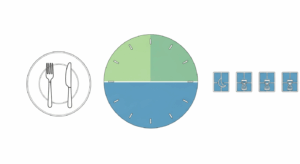
Some research suggests that walking in a fasted state (before eating breakfast) may enhance fat burning. While the total calorie deficit created throughout the day matters most, many people find morning walks set a positive tone for the day and are easier to complete before other obligations arise.
Use Proper Walking Form
Good walking form improves efficiency and reduces injury risk. Stand tall with your head up and eyes forward, not looking down at your feet. Swing your arms naturally, keeping elbows bent at roughly 90 degrees. Land on your heel and roll through to your toes with each step. Engage your core gently throughout the walk.
Track Your Steps and Progress
Using a fitness tracker, smartwatch, or smartphone app to count steps provides motivation and accountability. Aiming for 10,000 steps per day is a commonly referenced goal, though research suggests benefits begin well below that number. Tracking your daily totals helps you identify patterns and build toward your goals gradually.
Add Resistance to Increase Calorie Burn
Carrying a light backpack (five to ten pounds), walking uphill, using walking poles for Nordic walking, or wearing a weighted vest can meaningfully increase the calorie burn of your walks without requiring longer duration or faster pace. These options are particularly useful if time constraints limit your walking sessions.
Listen to Podcasts, Audiobooks, or Music
Enjoyment is one of the strongest predictors of exercise adherence. Many consistent walkers credit their audio entertainment habits, whether podcasts, audiobooks, or playlists, for making walks something they look forward to rather than dread. Designating certain favorites as walking-only content creates additional motivation to lace up your shoes.
Combining Walking with Diet for Better Results
Exercise alone is rarely enough to produce significant weight loss. The most effective approach combines regular walking with mindful dietary habits. You do not need to follow a rigid diet plan, but focusing on a few key principles can dramatically amplify your results:
- Eat more protein: Protein increases satiety, preserves muscle mass during weight loss, and has a higher thermic effect than carbohydrates or fat, meaning your body burns more calories digesting it.
- Reduce processed foods and added sugars: These highly palatable foods are engineered to override your body’s natural hunger signals, leading to overconsumption. Replacing them with whole foods makes it easier to maintain a calorie deficit without feeling deprived.
- Stay hydrated: Drinking adequate water supports metabolism, reduces false hunger signals, and improves exercise performance. A simple habit of drinking a glass of water before each meal often reduces calorie intake naturally.
- Do not out-walk a poor diet: Thirty minutes of walking burns approximately 150 to 180 calories. A single slice of cheesecake can contain 500 calories or more. Be mindful of the nutritional quality of what you eat alongside your walking program.
Common Mistakes to Avoid
Walking Too Slowly for Too Long Without Progression
Leisurely strolling has health benefits, but for meaningful weight loss, progressively challenging your body is necessary. As your fitness improves, your body becomes more efficient and burns fewer calories at the same pace. Gradually increasing speed, duration, and intensity keeps your body adapting and the calorie burn meaningful.
Expecting Immediate Results
Walking is a long-game strategy. Sustainable fat loss of one to two pounds per week is realistic, but not everyone sees results on the scale immediately. Water retention, muscle development, and hormonal fluctuations can mask fat loss for the first few weeks. Focus on consistency and trust the process.
Neglecting Strength Training
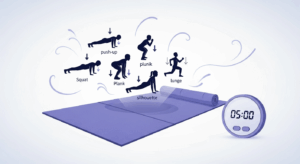
Adding even one or two days per week of bodyweight exercises, resistance bands, or light weight training alongside your walking plan significantly improves body composition. Muscle tissue burns more calories at rest than fat tissue, and strength training helps prevent the muscle loss that can accompany calorie restriction.
The Long-Term Case for Walking
Beyond weight loss, a consistent walking habit delivers extraordinary health benefits: reduced risk of cardiovascular disease, lower blood pressure, improved cholesterol levels, better blood sugar regulation, enhanced mental health, and longer life expectancy. Research published in JAMA Network Open found that walking just 7,000 steps per day was associated with significantly lower mortality risk, regardless of walking pace.
The beauty of a walking plan for weight loss is that it is not just a temporary diet phase. It is a sustainable, enjoyable habit that improves virtually every aspect of your health and can continue for the rest of your life. Start with 30 minutes today, build progressively, combine it with sensible eating, and watch both your weight and your overall wellbeing transform over the coming months.
❓ Frequently Asked Questions

🚀 Keep Exploring
Discover more articles, guides, and tools in Weight Loss