📜 Table of Contents
Introduction to Farm to Table: Understanding the Local Food Movement
Cooking at home provides control over ingredients, enables healthier eating, saves money, and offers creative satisfaction. Developing cooking skills opens possibilities for delicious, nutritious meals that match personal preferences and dietary needs.
Introduction to Farm to Table: Understanding the Local Food Movement
Cooking at home provides control over ingredients, enables healthier eating, saves money, and offers creative satisfaction. Developing cooking skills opens possibilities for delicious, nutritious meals that match personal preferences and dietary needs.
The Farm to Table Philosophy
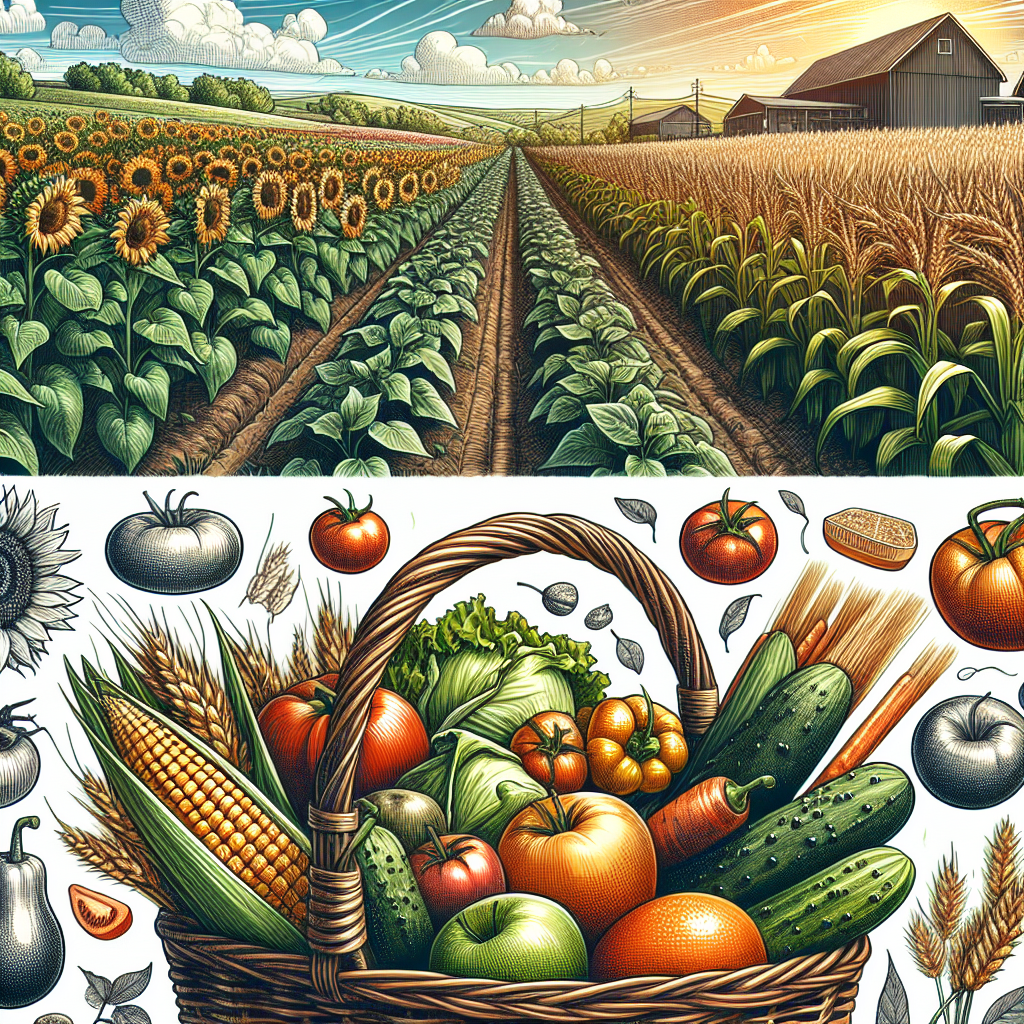
The farm to table movement emphasizes sourcing ingredients directly from local farms and producers. This approach supports local economies, reduces environmental impact from transportation, and often provides fresher, more flavorful ingredients. Understanding this movement helps consumers make informed choices about food sourcing.
Benefits of Local Food
Local food typically travels shorter distances, reducing carbon emissions from transportation and often arriving fresher than imported alternatives. Local purchasing keeps money within communities and supports small-scale farmers. Seasonal local eating encourages dietary variety and connection to natural growing cycles.
Nutritional Advantages
Produce begins losing nutrients immediately after harvest. Locally grown fruits and vegetables, harvested at peak ripeness and sold quickly, often contain more nutrients than items shipped long distances. The reduced time from harvest to table preserves flavor compounds that dissipate during extended storage and transportation.
Finding Local Food Sources
Farmers markets provide direct access to local producers and opportunities to learn about growing practices. Community Supported Agriculture programs deliver regular shares of farm production throughout growing seasons. Many grocery stores now highlight locally sourced products, and restaurants increasingly feature local ingredients on menus.
Seasonal Eating
Embracing seasonal eating means enjoying foods when they naturally grow in your region. Spring brings asparagus and strawberries, summer offers tomatoes and corn, fall provides apples and squash, and winter features storage crops like root vegetables. Seasonal eating encourages culinary creativity and appreciation for natural rhythms.
Challenges and Limitations
Local food systems face legitimate challenges. Growing seasons limit availability in many climates. Local options may cost more than mass-produced alternatives. Some regions lack diverse agricultural production. Understanding these limitations helps consumers balance local preferences with practical realities.
Defining Local
No universal definition of local exists. Some consider local within 100 miles, others within state borders, and some expand to regional definitions. Consider what local means to you based on your priorities: minimizing transportation, supporting nearby farmers, or finding the freshest ingredients.
Growing Your Own
Home gardening represents the ultimate local food source. Even small spaces can produce herbs, salad greens, and compact vegetables. Container gardening works on balconies and patios. Growing your own food provides freshness, reduces costs, and connects you directly to the food production process.
Preservation Techniques
Preserving local foods extends seasonal abundance throughout the year. Canning, freezing, drying, and fermenting techniques allow summer harvests to supply winter tables. Learning these skills increases food security and reduces reliance on long-distance food supply chains.
Conclusion
The farm to table movement offers meaningful ways to improve food quality while supporting local communities and reducing environmental impact. While completely local eating may not be practical for everyone, incorporating more local foods provides tangible benefits worth pursuing.
Kitchen Fundamentals
Foundational kitchen skills and knowledge enable cooking success across recipes and cuisines. Understanding basic techniques and principles provides flexibility beyond following recipes exactly.
Essential Cooking Techniques
Core techniques including sautéing, roasting, braising, and proper seasoning apply across countless dishes. Mastering heat control affects nearly every cooking outcome. Understanding when and how to apply different cooking methods enables improvisation and recipe adaptation. These fundamental skills transfer across cuisines and recipe types.
Kitchen Organization and Preparation
Mise en place, having ingredients prepped and organized before cooking begins, dramatically improves cooking success. Organized kitchens enable efficient cooking without wasted time searching for tools or ingredients. Regular pantry stocking ensures common ingredients are available when cooking inspiration strikes.
Practical Cooking Strategies
Busy lives require efficient cooking approaches that minimize time while maximizing results. Strategic planning and batch cooking enable homemade meals despite demanding schedules.
Meal Planning Benefits
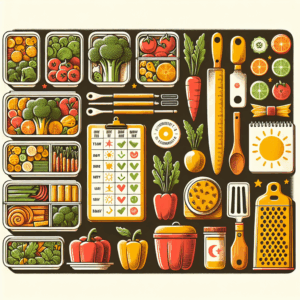
Weekly meal planning reduces daily decision fatigue and enables efficient grocery shopping. Planning ensures ingredient availability and reduces food waste. Balancing variety with repetition of favorites optimizes planning effort. Planning accommodates busy days with quick-prep options and more elaborate weekend cooking.
Batch Cooking and Prep
Preparing ingredients or complete dishes in advance saves daily cooking time. Weekend batch cooking provides weekday meal components. Prepped vegetables, cooked grains, and portioned proteins enable quick meal assembly. Proper storage maintains food quality and safety between preparation and consumption.
Expert Insights and Best Practices
Culinary professionals emphasize that cooking skill develops through practice rather than natural talent. Starting with simple recipes and progressively increasing complexity builds confidence and competence. Mistakes are learning opportunities that teach more than successes. Consistency in practice develops intuition that eventually transcends recipe-following.
Common Mistakes to Avoid
Common cooking mistakes include not reading recipes completely before starting, overcrowding pans which prevents browning, not letting meat rest before cutting, and under-seasoning food. Many home cooks also underestimate preparation time and fail to taste food throughout cooking for seasoning adjustment.
Frequently Asked Questions
How can I become a better cook?
Cooking improvement comes through regular practice, learning from mistakes, and progressive skill building. Mastering basic techniques enables recipe success across cuisines. Watching cooking demonstrations helps visualize proper techniques. Experimenting with flavors develops palate and intuition.
What kitchen equipment do I really need?
Quality basics outperform quantity. Essential items include a good knife, cutting board, quality pan, and basic utensils. Adding equipment as specific needs arise prevents clutter and unused purchases. Quality items in frequently used categories justify higher investment.
How do I cook healthier meals?
Healthy cooking emphasizes whole ingredients, appropriate portions, and cooking methods that preserve nutrients. Adding vegetables to dishes increases nutrition. Reducing added sugars, refined grains, and processed ingredients improves meal quality. Home cooking enables complete control over ingredients.
How can I save time cooking?
Time-saving strategies include meal planning, batch preparation, one-pot meals, and keeping pantry staples stocked. Developing efficient kitchen workflows reduces wasted motion. Using time-saving equipment appropriately helps. Accepting that not every meal needs to be elaborate enables realistic daily cooking.
Conclusion
Cooking skills develop through consistent practice and willingness to learn from both successes and failures. By building fundamental techniques, establishing efficient routines, and progressively expanding capabilities, anyone can become a competent home cook. The rewards include better nutrition, cost savings, and the satisfaction of creating delicious meals for yourself and others.
Kitchen Fundamentals
Foundational kitchen skills and knowledge enable cooking success across recipes and cuisines. Understanding basic techniques and principles provides flexibility beyond following recipes exactly.
Essential Cooking Techniques
Core techniques including sautéing, roasting, braising, and proper seasoning apply across countless dishes. Mastering heat control affects nearly every cooking outcome. Understanding when and how to apply different cooking methods enables improvisation and recipe adaptation. These fundamental skills transfer across cuisines and recipe types.
Kitchen Organization and Preparation
Mise en place, having ingredients prepped and organized before cooking begins, dramatically improves cooking success. Organized kitchens enable efficient cooking without wasted time searching for tools or ingredients. Regular pantry stocking ensures common ingredients are available when cooking inspiration strikes.
Practical Cooking Strategies
Busy lives require efficient cooking approaches that minimize time while maximizing results. Strategic planning and batch cooking enable homemade meals despite demanding schedules.
Meal Planning Benefits
Weekly meal planning reduces daily decision fatigue and enables efficient grocery shopping. Planning ensures ingredient availability and reduces food waste. Balancing variety with repetition of favorites optimizes planning effort. Planning accommodates busy days with quick-prep options and more elaborate weekend cooking.
Batch Cooking and Prep
Preparing ingredients or complete dishes in advance saves daily cooking time. Weekend batch cooking provides weekday meal components. Prepped vegetables, cooked grains, and portioned proteins enable quick meal assembly. Proper storage maintains food quality and safety between preparation and consumption.
Expert Insights and Best Practices
Culinary professionals emphasize that cooking skill develops through practice rather than natural talent. Starting with simple recipes and progressively increasing complexity builds confidence and competence. Mistakes are learning opportunities that teach more than successes. Consistency in practice develops intuition that eventually transcends recipe-following.
Common Mistakes to Avoid
Common cooking mistakes include not reading recipes completely before starting, overcrowding pans which prevents browning, not letting meat rest before cutting, and under-seasoning food. Many home cooks also underestimate preparation time and fail to taste food throughout cooking for seasoning adjustment.
Frequently Asked Questions
How can I become a better cook?
Cooking improvement comes through regular practice, learning from mistakes, and progressive skill building. Mastering basic techniques enables recipe success across cuisines. Watching cooking demonstrations helps visualize proper techniques. Experimenting with flavors develops palate and intuition.
What kitchen equipment do I really need?
Quality basics outperform quantity. Essential items include a good knife, cutting board, quality pan, and basic utensils. Adding equipment as specific needs arise prevents clutter and unused purchases. Quality items in frequently used categories justify higher investment.
How do I cook healthier meals?
Healthy cooking emphasizes whole ingredients, appropriate portions, and cooking methods that preserve nutrients. Adding vegetables to dishes increases nutrition. Reducing added sugars, refined grains, and processed ingredients improves meal quality. Home cooking enables complete control over ingredients.
How can I save time cooking?
Time-saving strategies include meal planning, batch preparation, one-pot meals, and keeping pantry staples stocked. Developing efficient kitchen workflows reduces wasted motion. Using time-saving equipment appropriately helps. Accepting that not every meal needs to be elaborate enables realistic daily cooking.
Conclusion
Cooking skills develop through consistent practice and willingness to learn from both successes and failures. By building fundamental techniques, establishing efficient routines, and progressively expanding capabilities, anyone can become a competent home cook. The rewards include better nutrition, cost savings, and the satisfaction of creating delicious meals for yourself and others.
❓ Frequently Asked Questions

🚀 Keep Exploring
Discover more articles, guides, and tools in Food