📜 Table of Contents
The concept of a calorie deficit is the single foundational principle of weight loss, underpinning every successful fat loss approach regardless of the specific diet type. Whether you follow the Mediterranean diet, keto, intermittent fasting, or simply try to eat healthier foods, weight loss only occurs when your total calorie intake is consistently lower than your total calorie expenditure. This is not a controversial claim — it is a physiological law supported by over a century of metabolic research, and understanding it clearly allows you to take control of your weight in a way that no fad diet or supplement can replicate.
This comprehensive beginner’s guide demystifies calorie deficits: what they are, how to calculate the right deficit size for your goals, how to create one without feeling miserable and hungry, and the practical meal planning strategies that make sustainable calorie deficit eating genuinely enjoyable rather than a form of deprivation. By the end of this guide, you will have all the knowledge needed to start losing weight predictably and sustainably.
What Is a Calorie Deficit?
A calorie deficit exists when the total calories you consume in a day (through food and drink) are less than the total calories your body expends. Your body is constantly burning calories to sustain basic biological functions — breathing, circulation, cell repair, hormone production — this baseline energy expenditure is called your Basal Metabolic Rate (BMR). On top of BMR, your body burns additional calories through physical activity, digestion of food (the thermic effect of food), and non-exercise movement like fidgeting, walking to your car, and similar incidental activity.
When your calorie intake falls below your total daily energy expenditure (TDEE), your body must access stored energy to meet its needs. The primary stored energy source is body fat — adipose tissue containing approximately 3,500 calories per pound. A sustained daily deficit of 500 calories produces approximately one pound of fat loss per week. A 1,000-calorie daily deficit produces approximately two pounds per week — generally considered the maximum sustainable rate for most people without risking muscle loss, nutritional deficiencies, or metabolic adaptation.
Step 1: Calculate Your TDEE
Before you can create a precise calorie deficit, you need to know how many calories your body burns on a typical day. Your TDEE accounts for your BMR plus an activity multiplier based on your typical daily activity level. The Mifflin-St Jeor equation is the most scientifically validated method for estimating BMR.
The Mifflin-St Jeor Equation
For men: BMR = (10 x weight in kg) + (6.25 x height in cm) – (5 x age) + 5. For women: BMR = (10 x weight in kg) + (6.25 x height in cm) – (5 x age) – 161.
Multiply your BMR by an activity factor: Sedentary = BMR x 1.2. Lightly active = BMR x 1.375. Moderately active = BMR x 1.55. Very active = BMR x 1.725. For example, a 35-year-old woman weighing 170 pounds (77 kg), 5 feet 5 inches tall (165 cm), and lightly active has an estimated TDEE of approximately 2,145 calories per day. To lose one pound per week, she would target approximately 1,645 calories daily.
Step 2: Choose the Right Deficit Size
Choosing the right deficit size requires balancing the desire to lose weight quickly against the reality that excessively large deficits are unsustainable, lead to muscle loss, and often trigger rebound overeating. Research and clinical practice have established useful benchmarks.
Moderate Deficit: 500 Calories Below TDEE
A 500-calorie daily deficit is the gold standard recommendation for most people. It produces approximately one pound of fat loss per week, is large enough to produce visible progress, and is modest enough that most people can maintain it without significant hunger or energy loss. This is the starting recommendation for the majority of people beginning a weight loss effort without a pressing deadline.
Aggressive Deficit: 750 to 1,000 Calories Below TDEE
Larger deficits can accelerate weight loss to 1.5 to 2 pounds per week and are appropriate for individuals with more weight to lose or those working toward a specific goal deadline under medical supervision. However, deficits exceeding 1,000 calories per day significantly increase the risk of lean muscle loss, micronutrient deficiency, fatigue, and unsustainable hunger. A minimum daily intake of 1,200 calories for women and 1,500 calories for men is generally recommended without medical oversight.
Step 3: Track Your Food Intake Accurately
Creating a calorie deficit requires knowing how many calories you are actually consuming — and research consistently shows that people dramatically underestimate their food intake when relying on memory and judgment. Studies have found that adults underestimate their food intake by 20 to 50 percent on average, which explains why many people feel they are eating less but see no change on the scale.
Best Calorie Tracking Apps
MyFitnessPal remains the most widely used calorie tracking application, with a database of over 14 million foods and seamless barcode scanning for packaged products. Cronometer is an excellent alternative that provides more detailed micronutrient tracking, helpful for ensuring nutritional adequacy during a deficit. Lose It! offers a clean interface and strong restaurant database for tracking meals eaten out. All three are free with optional premium upgrades.
Effective tracking requires three habits: logging food before or immediately after eating rather than from memory at day’s end; measuring portions with a food scale rather than estimating; and tracking everything including cooking oils, condiments, coffee additions, and small snacks that collectively represent significant calories in most people’s diets.
Step 4: Build a Satisfying Calorie Deficit Meal Plan
The most common reason people abandon calorie deficit diets is hunger — feeling perpetually deprived despite eating within targets. This experience is not inevitable. It is the result of poor food choices within the calorie budget. Certain foods are far more satiating per calorie than others, and building your diet around high-satiety, nutrient-dense foods allows you to feel full and energized while maintaining a significant deficit.
High-Satiety, Low-Calorie Foods to Prioritize
- Lean protein: Chicken breast, white fish, shrimp, eggs, Greek yogurt, cottage cheese, tofu. Protein is the most satiating macronutrient — a high-protein meal suppresses hunger hormones more effectively than equivalent calories from carbohydrates or fat. Aim for protein to represent 30 to 35 percent of daily calories.
- High-fiber vegetables: Leafy greens, broccoli, cauliflower, Brussels sprouts, asparagus, green beans, cucumber, and celery provide high volume and fiber for very few calories. A full cup of broccoli contains only 55 calories. These vegetables can be eaten in generous portions without meaningfully impacting your calorie budget.
- Legumes: Lentils, chickpeas, and black beans provide an excellent combination of protein and fiber that delivers exceptional satiety per calorie.
- Whole grains over refined: Oats, brown rice, quinoa, and whole grain bread produce a slower, more sustained blood glucose response compared to refined carbohydrates, reducing post-meal hunger and energy crashes.
- Fruit: Berries, apples, oranges, and most whole fruits provide fiber, water, and sweetness for 60 to 100 calories per serving — far more satisfying than the equivalent caloric value in processed snack foods.
Step 5: Manage Common Challenges
Even a well-designed calorie deficit plan encounters predictable challenges. Understanding these in advance makes them far easier to navigate without abandoning your program entirely.
Hunger Management Strategies
Distribute protein evenly across all meals and snacks rather than concentrating it at dinner — each protein-rich meal provides three to four hours of improved satiety. Eat high-volume, high-fiber vegetables at every meal to create physical fullness without significant calorie addition. Drink a full glass of water before meals — research shows this reduces calorie intake at the subsequent meal by 15 to 25 percent. Avoid ultra-processed, hyper-palatable foods that override satiety signals and are engineered to make you want to eat more even when physiologically full.
Dealing with Weight Loss Plateaus
Weight loss plateaus are normal and expected — they reflect the body’s adaptation to a lower body weight, where a lighter body burns fewer calories than before. When the scale stops moving for two or more weeks despite adherence, options include: a brief diet break eating at maintenance calories for one to two weeks before resuming the deficit; recalculating your TDEE at your new lower body weight; or increasing physical activity to widen the deficit. Plateaus are not program failure — they are a normal physiological response that requires a modest adjustment, not abandonment of the approach.
Sample 1,600-Calorie Day Meal Plan
To make calorie deficit eating feel concrete and achievable, here is a sample day at approximately 1,600 calories with high protein and fiber for maximum satiety. Breakfast (370 calories): Two scrambled eggs with spinach and a slice of whole grain toast, plus one cup of Greek yogurt with berries. Lunch (450 calories): Large salad with 4 oz grilled chicken breast, mixed greens, cherry tomatoes, cucumber, half an avocado, and two tablespoons of olive oil and vinegar dressing. Dinner (500 calories): 5 oz baked salmon with roasted broccoli and cauliflower, and half a cup of cooked quinoa. Snacks (280 calories): An apple with one tablespoon of almond butter, and a small handful of mixed nuts. This plan provides approximately 140 grams of protein, 35 grams of fiber, and leaves most people genuinely satisfied throughout the day.
How Fast Should You Expect to Lose Weight?
With a consistent 500-calorie daily deficit, expect to lose approximately 0.5 to 1 pound per week after the first two weeks. The first week often shows faster loss due to water weight reduction as stored glycogen is depleted — this creates early optimism but slows to the true fat loss rate thereafter. Beyond week two, 0.5 to 1 pound per week is healthy and sustainable. Over 12 weeks, this represents 6 to 12 pounds of genuine fat loss — a meaningful and visible transformation. Over six months, a consistent 500-calorie deficit produces 12 to 24 pounds of fat loss, which for most people represents a very significant change in body composition, clothing size, and health markers including blood pressure and blood glucose.
Combining Calorie Deficit with Exercise
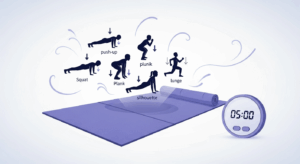
While a calorie deficit alone produces fat loss, combining it with regular exercise accelerates results and improves body composition in ways that diet alone cannot achieve. Exercise — particularly resistance training — preserves and builds lean muscle mass during a calorie deficit, which matters because maintaining muscle mass keeps your metabolic rate elevated and produces the lean, defined appearance that most people associate with being in good shape. Cardio exercise adds to the calorie deficit, allowing you to eat slightly more while maintaining the same deficit — which is helpful for athletes and very active individuals who struggle to maintain energy and performance at very low calorie intakes.
Conclusion
Understanding and implementing a calorie deficit is the foundational weight loss skill that unlocks every other dietary approach. Once you understand how to calculate your TDEE, set an appropriate deficit, track your intake accurately, and build a satisfying meal plan from high-satiety foods, weight loss becomes predictable and manageable rather than mysterious and frustrating. The calorie deficit is not a diet — it is a framework within which you can eat foods you enjoy, maintain social flexibility, and achieve consistent, sustainable fat loss results. Start with the TDEE calculation, set your target calories, download a tracking app, and begin today. Your goal body weight is simply a matter of time, consistency, and the science in this guide applied with patient determination.
❓ Frequently Asked Questions

🚀 Keep Exploring
Discover more articles, guides, and tools in Weight Loss